
Interfaith Week 2026 by The Revd David Gifford
David Gifford is Interfaith Advisor for the diocese. This week, he reflects on the role of light in the rituals of several religions at this time of year

Revd Simon Lockett is Vicar of the benefice of Madley with Tyberton, Peterchurch, Vowchurch and Turnastone, in Herefordshire's Golden Valley. Rev Si, as he is known locally, has played a…
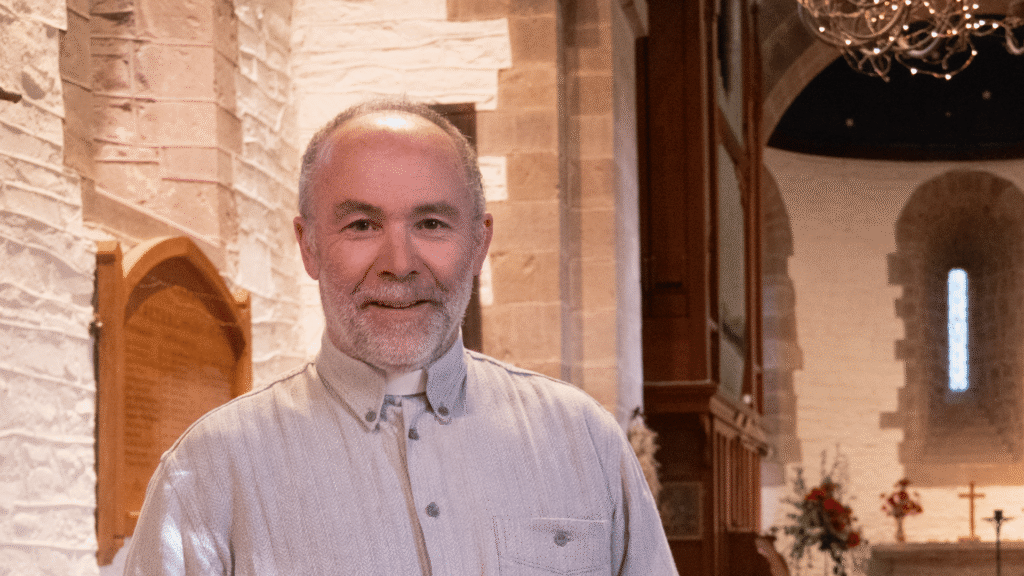
Revd Simon Lockett is Vicar of the benefice of Madley with Tyberton, Peterchurch, Vowchurch and Turnastone, in Herefordshire’s Golden Valley. Rev Si, as he is known locally, has played a significant part in establishing the Golden Valley Pilgrim Way, bringing hundreds of visitors to churches and footpaths in this beautiful corner of the diocese. On Saturday 17 October 2026, Rev Si will lead a pilgrimage around the area with Bishop Richard, as part of the diocese’s celebrations of its 1350th anniversary.
I have been asked many times what makes a walk a pilgrimage? The essence of pilgrimage coalesces around three elements. An intention to disengage from the dominant culture. An attentiveness to being transformed by the Divine. An affection for the earth and all its inhabitants including the self.
The simple rhythm of walking, eating and sleeping can create spiritual, physical and emotional well being not just for the individual but for the community that the pilgrim returns to. A pilgrim will always return to their community with the gifts and insights they have gleaned from the path.
To go on pilgrimage connects with self, the earth and, for some, the Divine, whilst disconnecting from the busy, digital world, of consumerism. As Walter Brueggemann explains in his commentary on Genesis [1] to disengage from the culture around you for the sake of faith or spiritual development makes you a sojourner; ‘This is a sophisticated theological motivation for sojourning’ . In the case of Jacob in Genesis the disengagement means he becomes present to the promise and the blessing given first of all to Abraham and Sarah. Jacob’s story of disengagement from the culture leads to two encounters with God: a ladder connecting heaven and earth with angels descending and ascending and a down-in-the-mud wrestling with God.
An acknowledgement of being lost, of being bereaved, of being overwhelmed by the world, of being separated from the good, the higher self or God is a clear motivation for many in becoming a pilgrim. For others there is a sense that we have lost our capacity for awe, an awe that for some is caught up in the divine presence. We might think of the intrinsic awe experienced beneath an oak tree in a storm or the awe of Moses before the burning bush. Both occur on holy ground and then it’s time to throw off those walking boots and dance.
Pilgrimage can also facilitate the need to mark time or to slow time down in the busyness of a distracted world. A need to find yourself again or to reflect on the passing of a loved one. Pilgrimage can help to re-orientate and reset when elements of life are out of sync.
To be a pilgrim is to go wayfaring with the grain of divine wisdom found in creation. A distillation into essence where the outer reflects the inner. A fork in the path, a steep ascent and getting lost mirror challenging or transitional aspects of our lives. A dip in a river on a hot day, a view gazed upon with love and the balm of silence mirror joyous life.
Attention to all of these aspects of pilgrimage deepens sense making. And on this pilgrimage to deepen the deepening we shall participate in some contemplative rituals: Landscape as icon, a Caim protection prayer and a Holy Well blessing. For inspiration we will follow in the footsteps of the peregrinating of St Dyfrig of Madley.
You can find out more about the 17 October, 2026 pilgrimage at Eventbrite | Hereford Diocese.
David Gifford is Interfaith Advisor for the diocese. This week, he reflects on the role of light in the rituals of several religions at this time of year
Revd Nick Gurney is Youth Pioneer Minister in our Bishop's Castle Youth Hub. here he celebrates the many gifts that make youth ministry possible in our diocese.
Two years ago, Stanford Bishop’s Church of St James was looking at a gloomy future, most likely involving closure. But all that has changed since it became a Festival Church.

In this week's video, the Bishop reflects on the financial and organisational challenges impacting the diocese and the Church more widely.
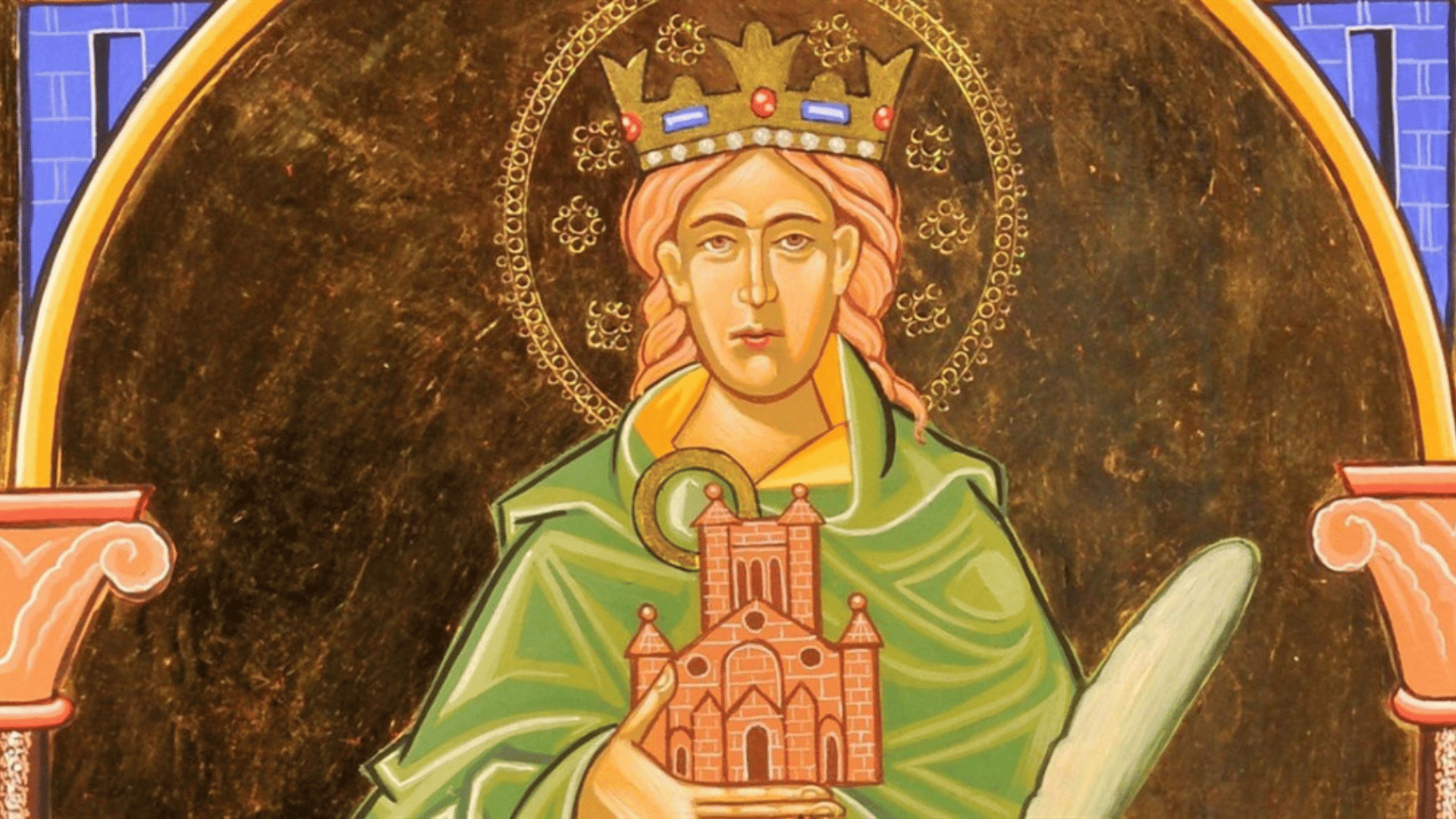
The Order of St Ethelbert – The 2026 Recipients The Order was founded in 2015 as a means of recognising…
In this week’s video, the Bishop reflects on the Archbishop of Canterbury’s visit, celebrates the many ministries across the Diocese, and looks ahead to a season of renewal as we build on the legacy of our 1350th anniversary year.
A monthly publication for parish and village magazines. You can download the PDF here or download a Word version here,…
In this week’s video from Tanzania, the Bishop reflects on what we can learn from the joy, faith and hope of the growing Church there.
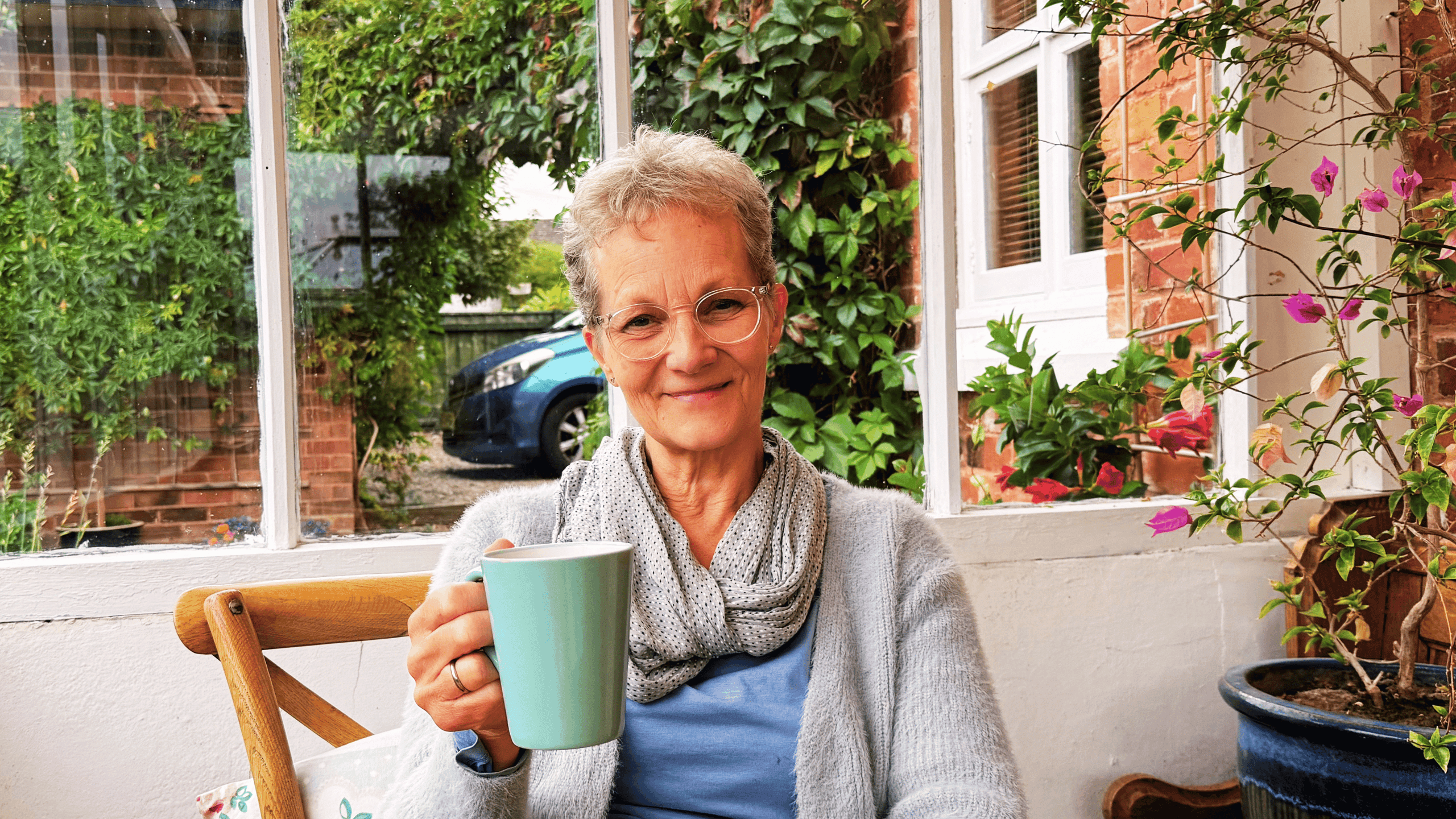
Joining in with God: In this occasional series for our blog, we hear from people from around the diocese who…
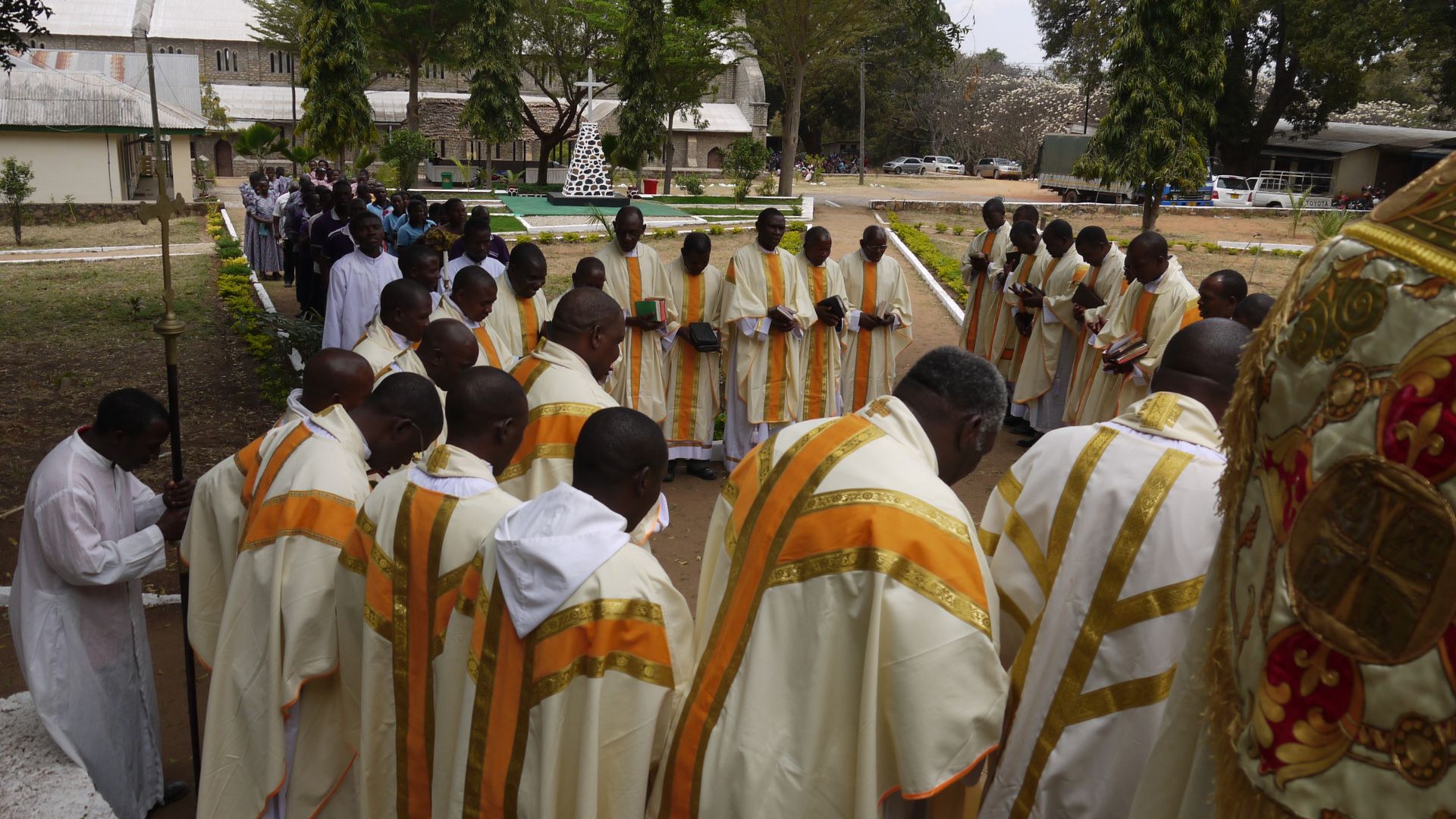
Bishop Richard will lead a small group of colleagues and church leaders from our Diocese on a missional visit to…