Raising up the saints! Is it a time of reformation?
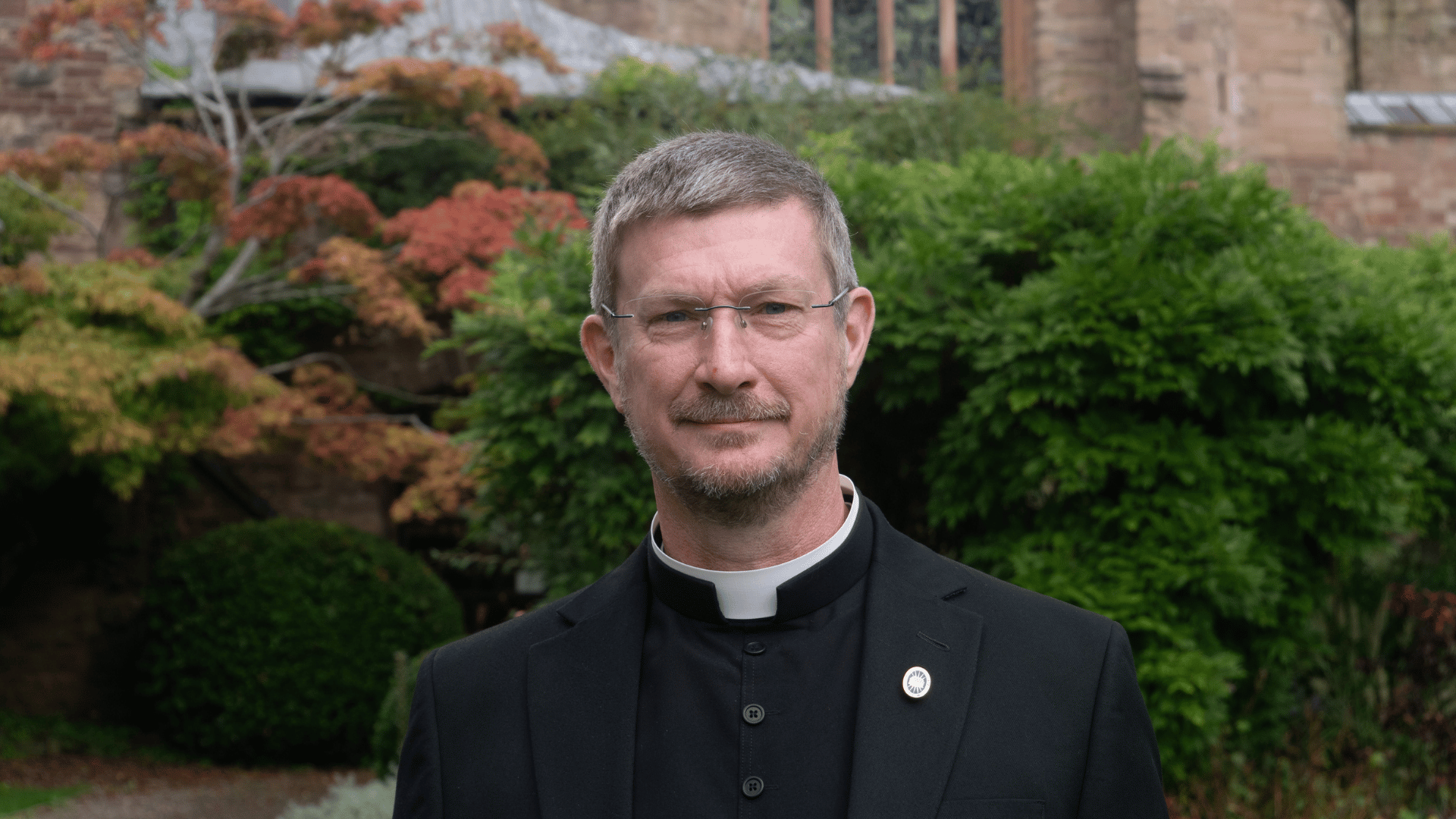
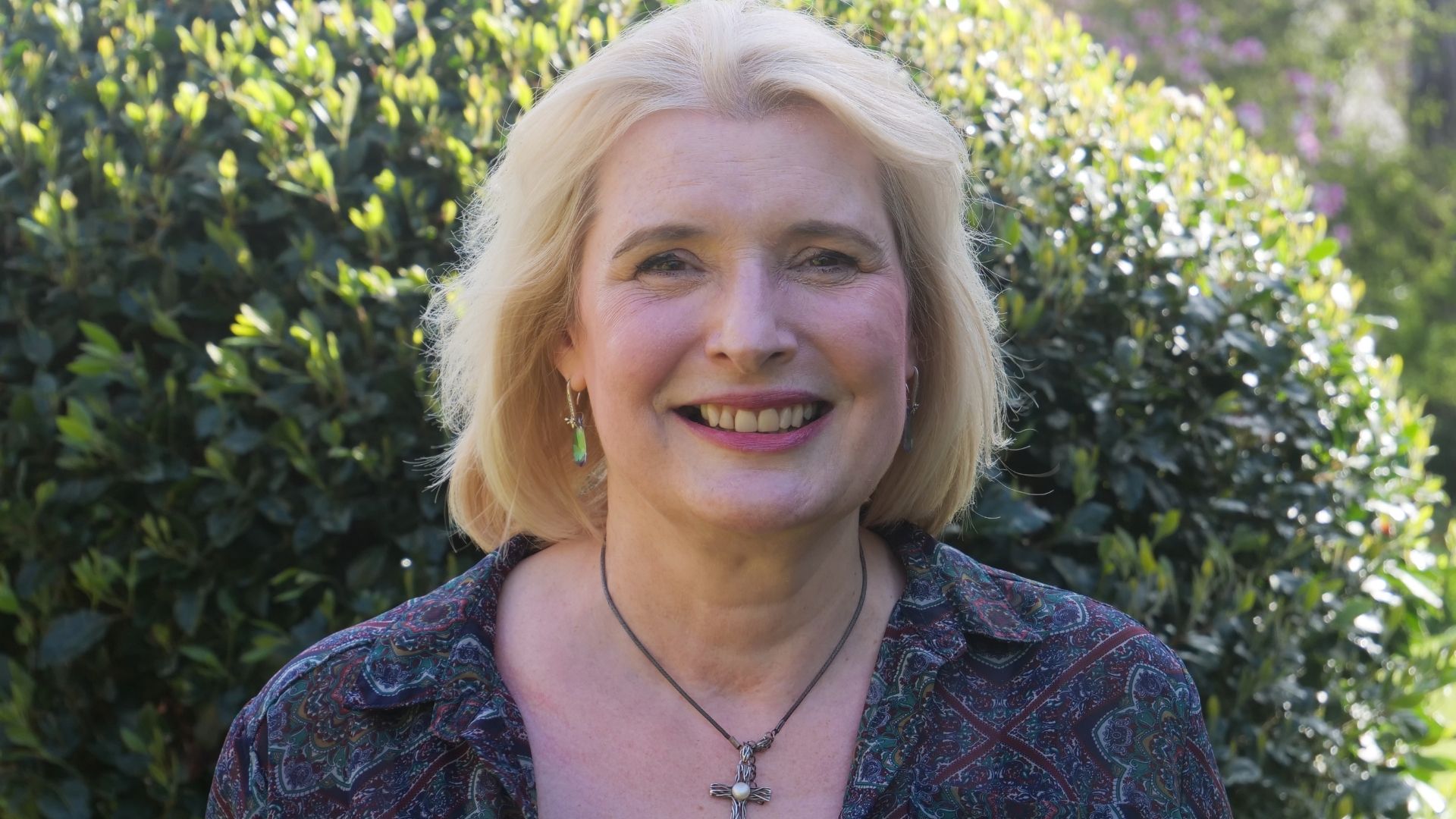
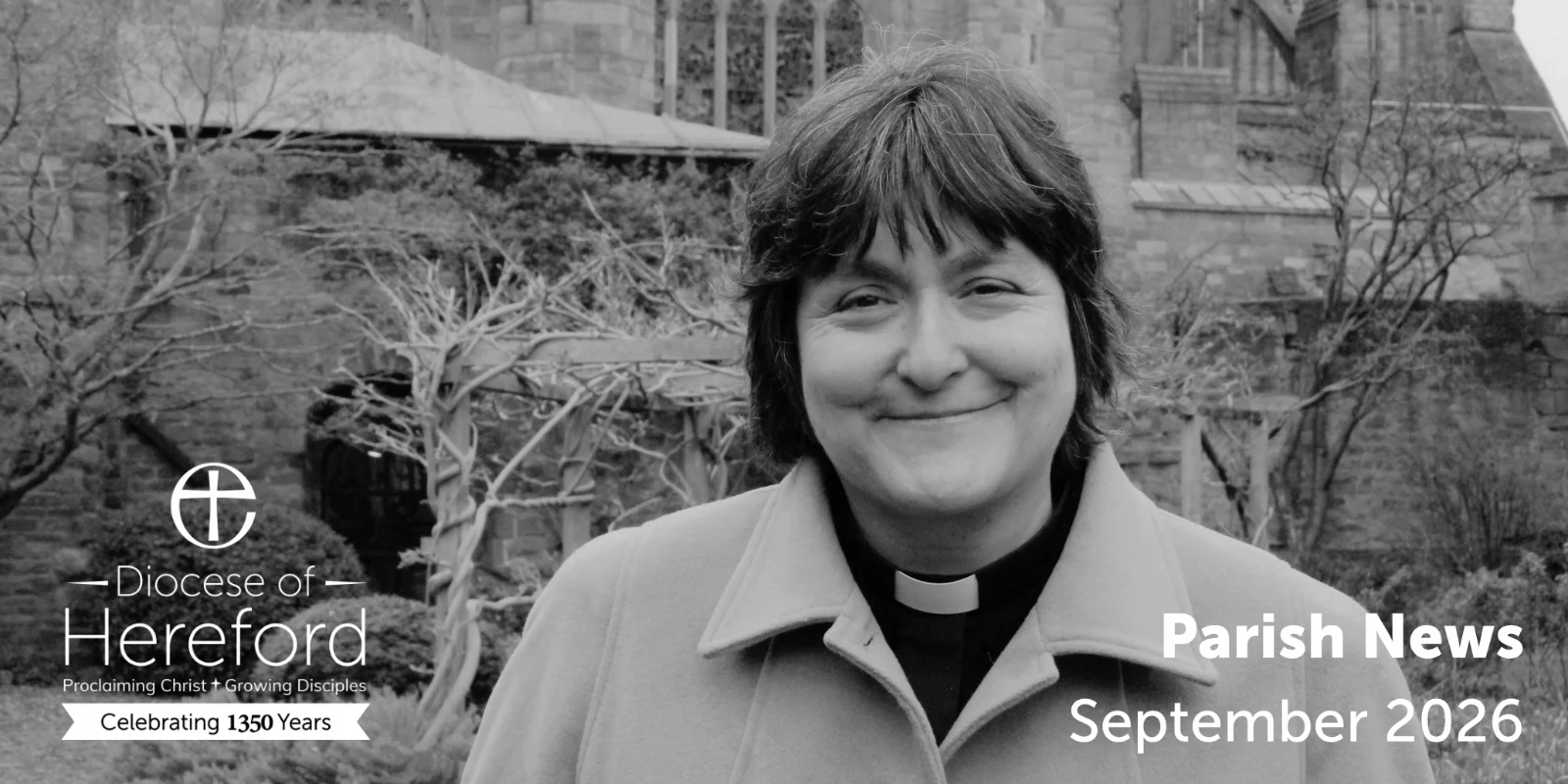
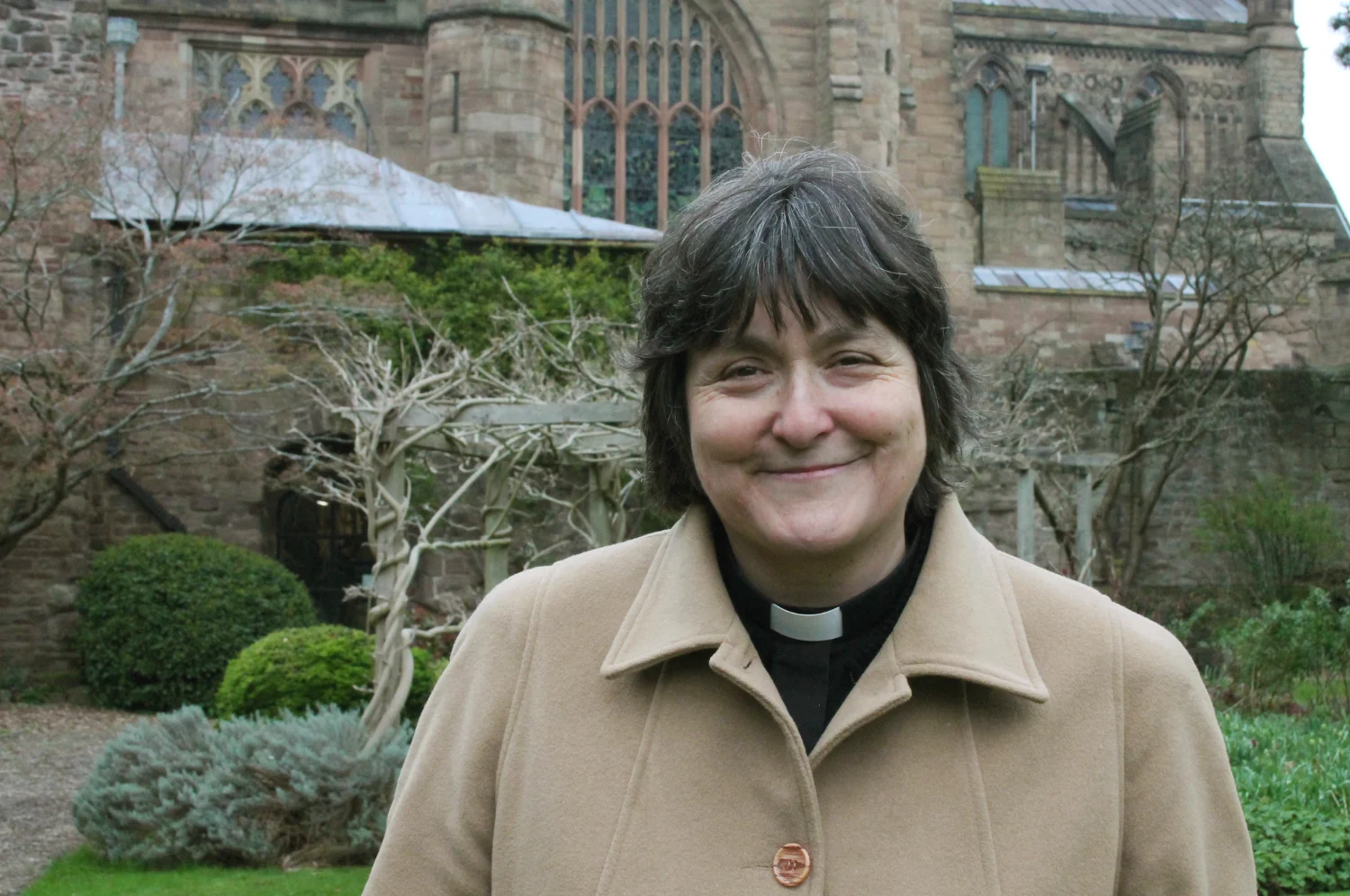
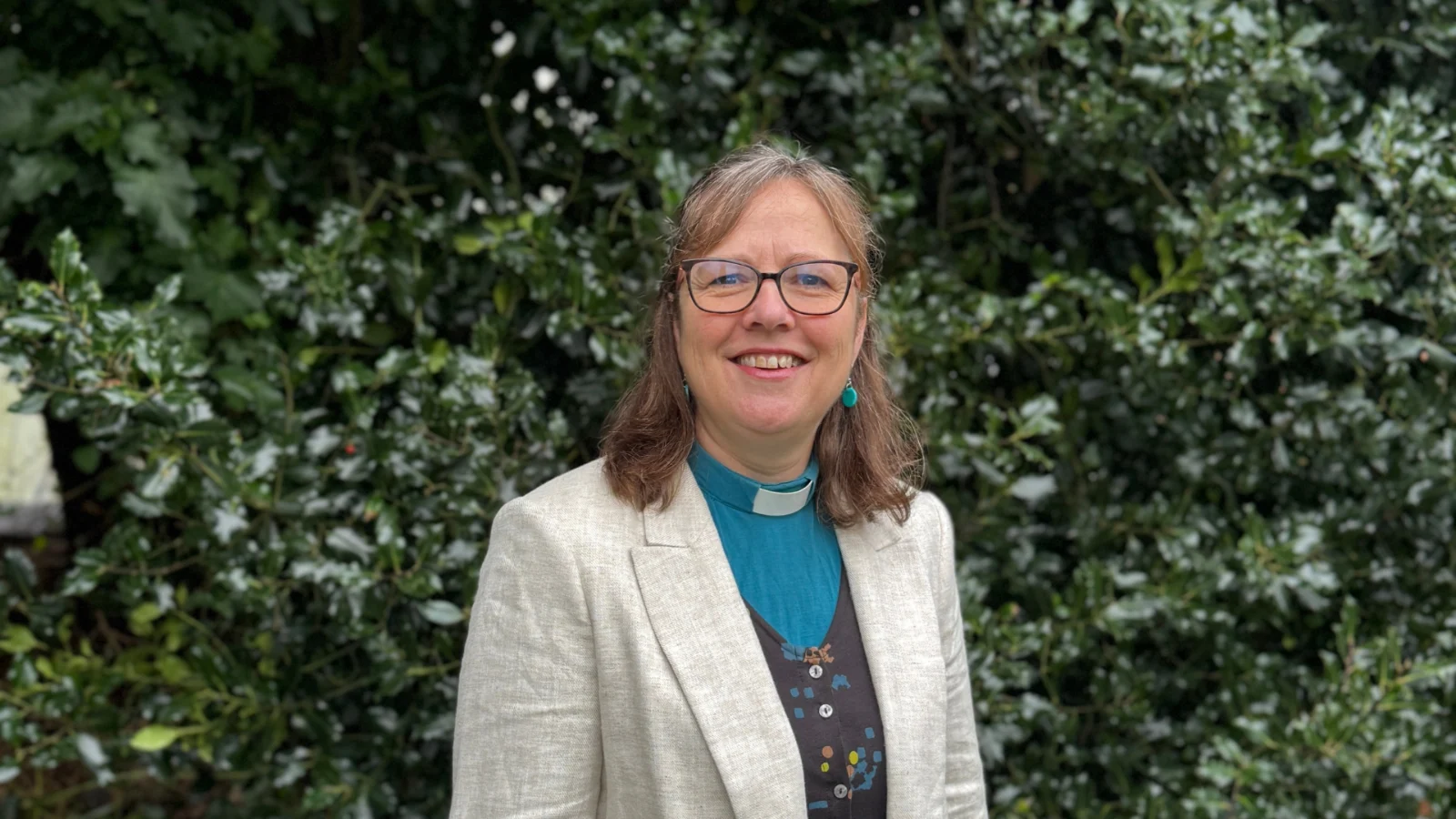
The Revd Laura Hewitt is Rector of StowCaple Benefice and a Rural Church Missioner for the diocese.

Two years ago, Stanford Bishop’s Church of St James was looking at a gloomy future, most likely involving closure. But all that has changed since it became a Festival Church.
Two years ago, Stanford Bishop’s Church of St James was looking at a gloomy future, most likely involving closure. It was an all-too-familiar story – falling numbers, ageing congregation and a PCC that was just about worn to a ravelling trying to make things better. But all that has changed since it became a Festival Church. Numbers are vastly up, children and young people are visibly present, and the church is becoming a vital and engaged part of the community once more. It’s a picture being repeated, in different ways, across the benefice, which now has three Festival Churches.
The Frome Valley Group Benefice comprises seven, picture-perfect churches in the northeast corner of Herefordshire, south of Bromyard. The Revd Steven Baggs looks after all seven, as well as being Assistant Archdeacon of Hereford. “It used to be 8 churches, but Frome’s Hill is now closed,” he remarks. “So when we sat in a public meeting at Stanford Bishop two years ago, the threat of closure felt very real.”
What changed, for the most part, in this tiny village of just 110 people, was that new volunteers stepped up to take on the responsibilities of the PCC. Their first action was to organise a choral evensong, with choir provided by the benefice, resulting in a completely full church. There followed a series of special, themed services in line with the Festival Church requirement for a minimum of six services a year. Each one has tied in the service with village life in some way, from local donkeys processing on Palm Sunday, penned outside the church door for families to engage with, to a Village Fun Day to coincide with a patronal service celebrating St James this summer. “This involved a village tug-o-war, a local farmer demonstrating shire horses ploughing a nearby field, and guess-the-weight of an absolutely enormous sheep”, Fr Steven recalls.
The numbers speak for themselves: average attendance at services in Stanford Bishop has risen from 9 in 2022 to 51 in 2026, just at the services so far this year. The number of children attending has more than doubled in the last year, as younger families have become more engaged.
This is all part of Fr Steven’s 15-year strategy for the benefice which is laser-focussed on delivering consistent, traditional worship that meets the community’s expectations, and carefully tailored to each individual parish. Music is a big part of the formula, in the form of an informal benefice choir called Amici Chorum. In Bishop’s Frome, worship includes weekly sung Eucharist, and High Mass every other week that is attracting a solid congregation of around 30 people, including some younger people. “If you take worship seriously,” says Fr Steven, “and focus on aspects of growth, and take the time to prioritise and plan in response, then I find that people will respond too. It feels like the benefice numbers are now sustainable, and going from strength to strength. But you do have to consider what will work in each and every parish individually. You have to see where the Holy Spirit is moving and work with those strengths, which may sometimes be hidden below the surface.”
The idea of a looking for what is working, and what works for each place, and building a mixed economy, is echoed by Bishop Richard in his recent article for Church Times about a rural ministry conference, in which he emphasised the importance of listening before acting. He said, “One participant offered a memorable image for rural mission: not simply planting from outside, but “foraging”: looking carefully for what God is already doing, and nurturing it. Mission begins not with our plans, but with God’s activity. The Church’s task is to recognise the signs of grace already present in a community and join in with them rather than assume that every place requires the same model of ministry.”
Based on the enthusiasm seen in the Frome valley, it appears this approach can make a real difference to the vibrancy and vitality of church communities.
– ENDS –
The Revd Laura Hewitt is Rector of StowCaple Benefice and a Rural Church Missioner for the diocese.

This week Bishop Richard reflects on the ups and downs of a busy life and the importance of seeing the bigger picture in the everyday.
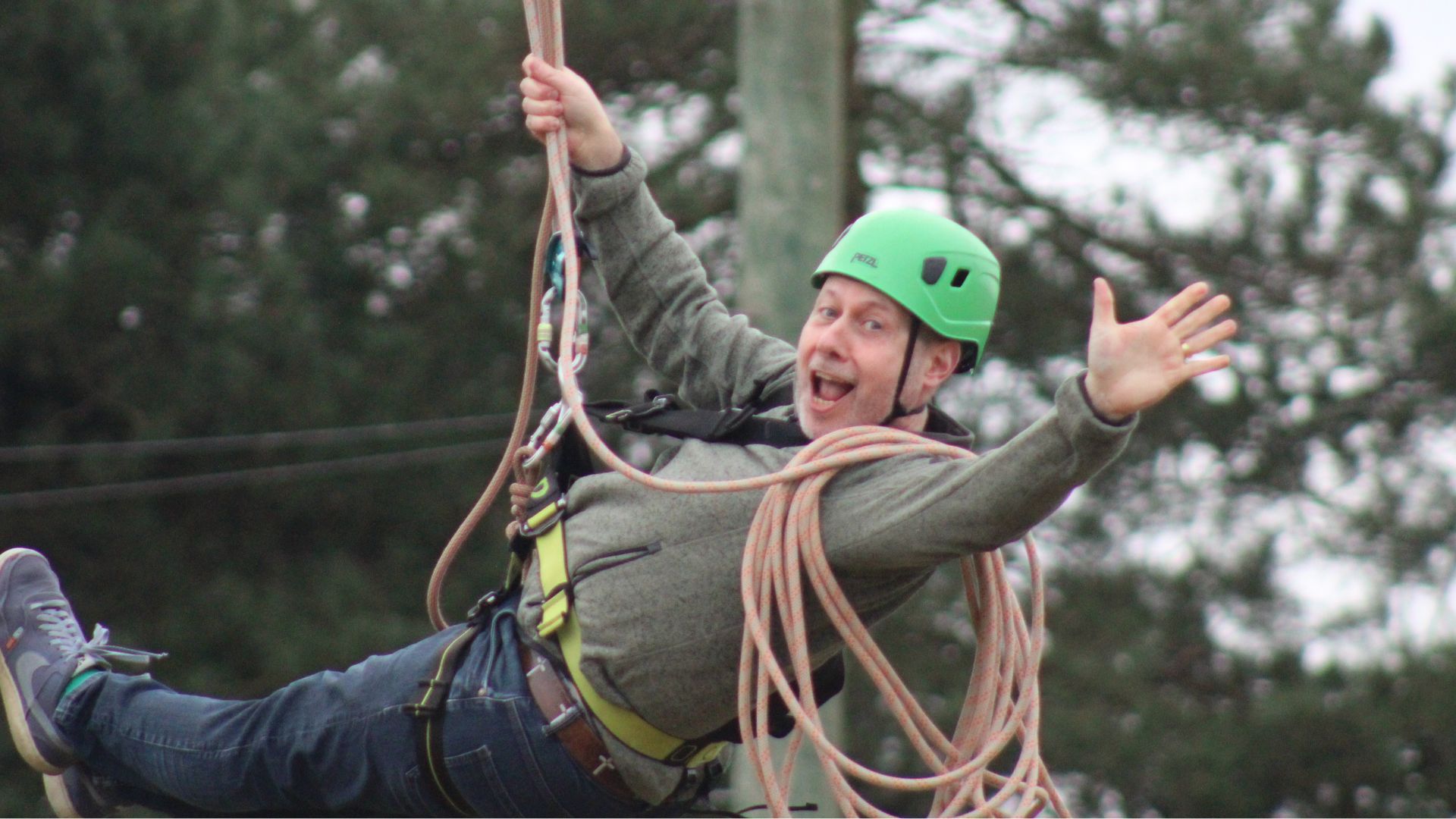
Revd Nick Gurney is Youth Pioneer Minister in our Bishop's Castle Youth Hub. here he celebrates the many gifts that make youth ministry possible in our diocese.

Revd Simon Lockett is Vicar of the benefice of Madley with Tyberton, Peterchurch, Vowchurch and Turnastone, in Herefordshire's Golden Valley.…
A monthly publication for parish and village magazines. You can download the PDF here or download a Word version here,…
A monthly publication for parish and village magazines. You can download the PDF here or download a Word version here,…
On being yourself I remember my first day of school in September 1969. "Just be yourself!” exhorted my grandpa -…
A monthly publication for parish and village magazines. You can download the PDF here or download a Word version here,…

"I feel more confident to recognise God at work" Sue Lane is a pastoral visitor and local worship leader in…
Journeys I wonder how many journeys you have planned in your lifetime: the daily trips and the longer adventures; the…