
Clergy share responsibility with the Bishop for ministry and mission in the diocese.
Looking after wellbeing in ministry
You can find information about a variety of services provided to help you thrive in your ministry.

Clergy & Family Support
Ensuring the wellbeing of clergy is an important aspect of our life together in Hereford diocese. We monitor the key…

Counselling and Support Services
Confidential counselling and emotional support services are available to clergy, their families, and diocesan staff, along with contact details for…

Support for clergy partners and spouses
Information for clergy spouses and C.P.s of Hereford diocese clergy.
Frequently asked questions
The following are a useful list of documents, forms and information gathered to support the day to day parish and administration role and work of clergy. Please contact the Archdeacons or Diocesan Office, if you require any further support or have a matter you wish to discuss in further detail.
Clergy wellbeing is an important aspect of the life of our Diocese.
We continue to monitor the key aspects of wellbeing, awareness of trends etc, and enable appropriate actions to be taken to improve the wellbeing of the ordained ministers in the diocese. You can find further useful information and advice on the clergy wellbeing page and further information about clergy counselling and support services. There are also services available to support clergy spouses, clergy partners and families alongside special Bishop’s Visitors appointed to offer support in the event of marriage breakdown.
The creation of the Clergy Wellbeing Group (membership: Archdeacon of Hereford (convener), Archdeacon of Ludlow, Diocesan Secretary, Chair of House of Clergy and Dean of Women’s Ministry) is a group that continues to monitor and make recommendations to help improve the wellbeing of our clergy. Please contact any of the members if you wish to make a recommendation or chat to them about the work of this group.
There are a number of grants and other discretionary funds available to support clergy. Some details of grants can be found on the clergy wellbeing pages and in the clergy handbook. Clergy are also encouraged to speak to their Archdeacon or contact the Bishop’s Office for further support.
The following list with links is to some of the most frequently asked questions. There is a wealth of information on the parish support section and anything you’re unable to find online, can be discussed with your rural dean, archdeacon or one of the central diocesan office support team.
- Where can I find documentation on confirmation services?
- What is GDPR and how does it apply to my role?
- How do I access deliverance ministry?
- What information is available for Self-Supporting Ministers?
- Where can I find details for Ordained Ministry Development
- Where can I find information on Local Ministry?
- Is there any financial guidance for clergy?
- What are faculties and why do I need to apply for one?
- What information would help my PCC?
- What are the Churchyard Regulations
- Where can I find the latest vacancy information
- What do I need to do to prepare for Churchwarden Visitations?
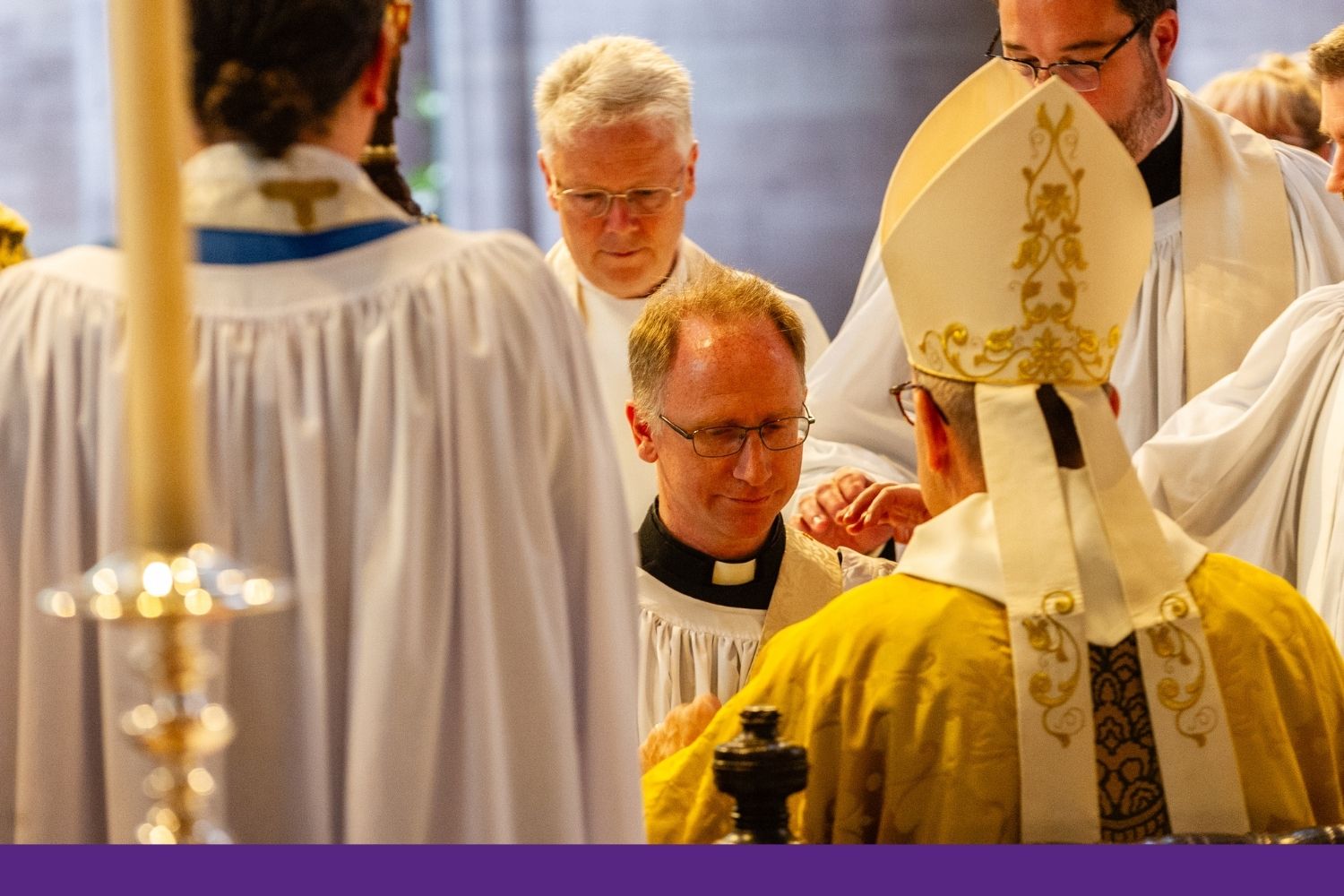
Clergy
This section provides useful information on running your parish and how you can seek support. the property hub includes resources…

Finance Hub
Clergy across the Midlands can now access a range of free financial wellbeing support through the Church of England’s Finance…