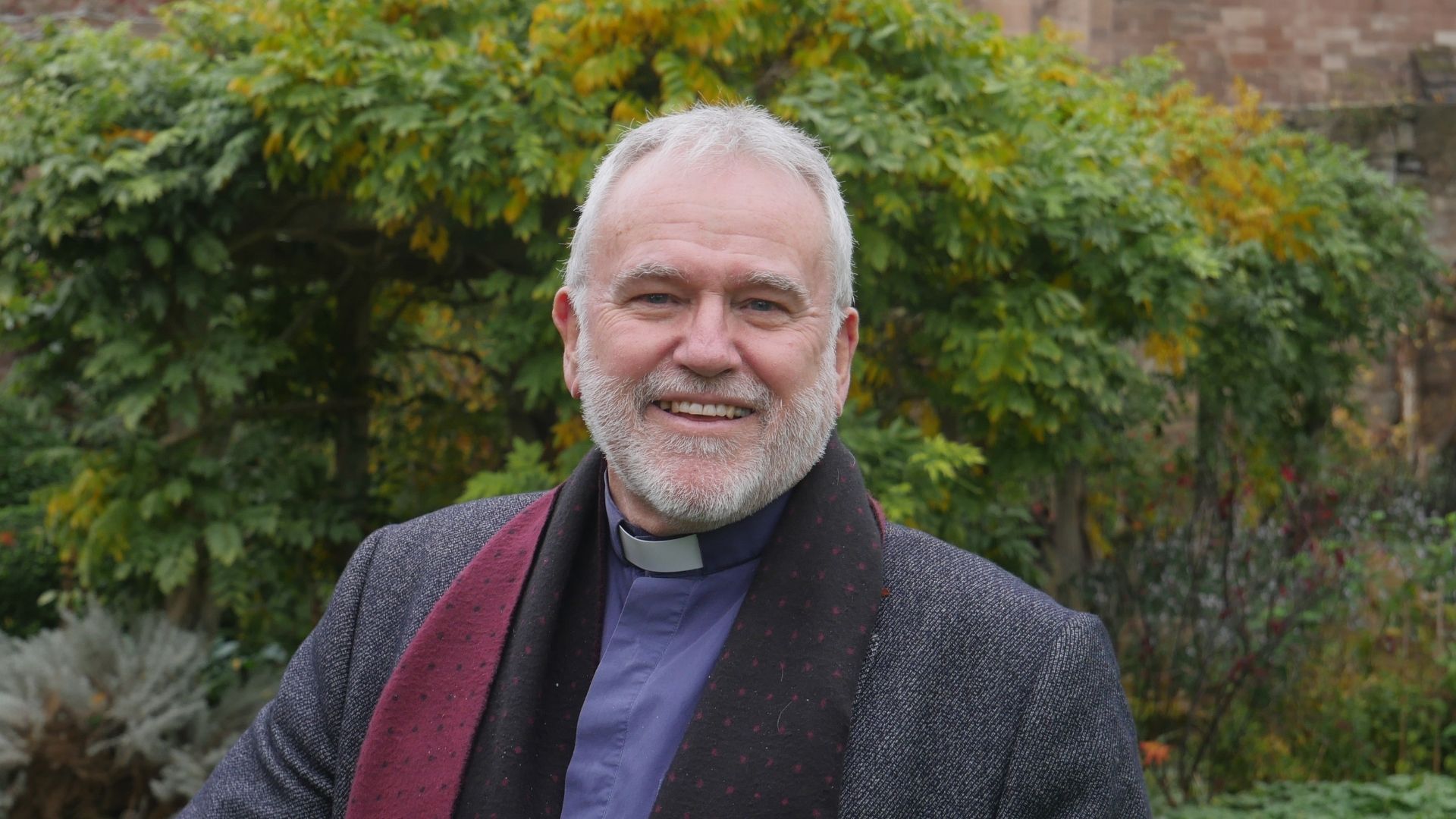
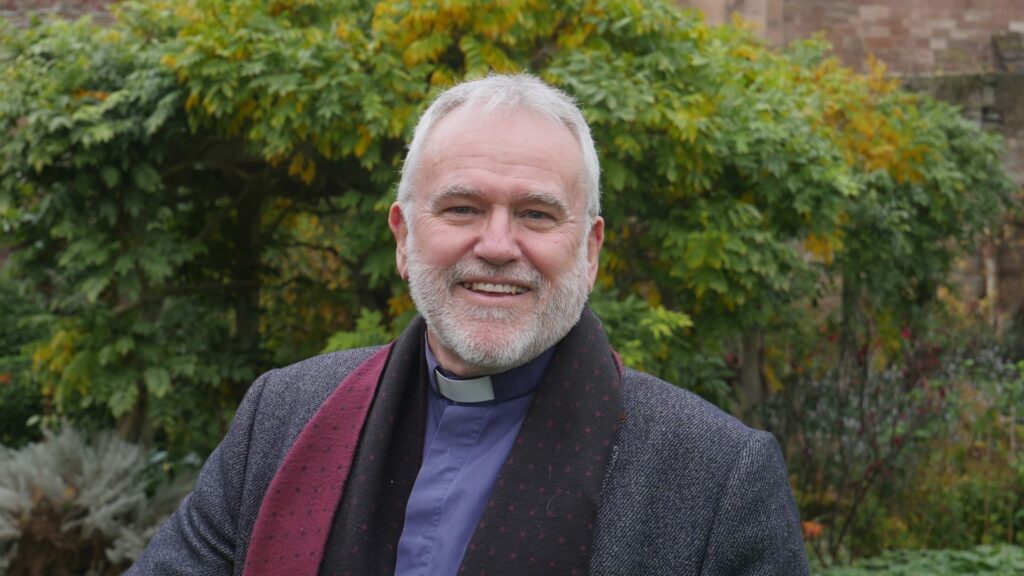
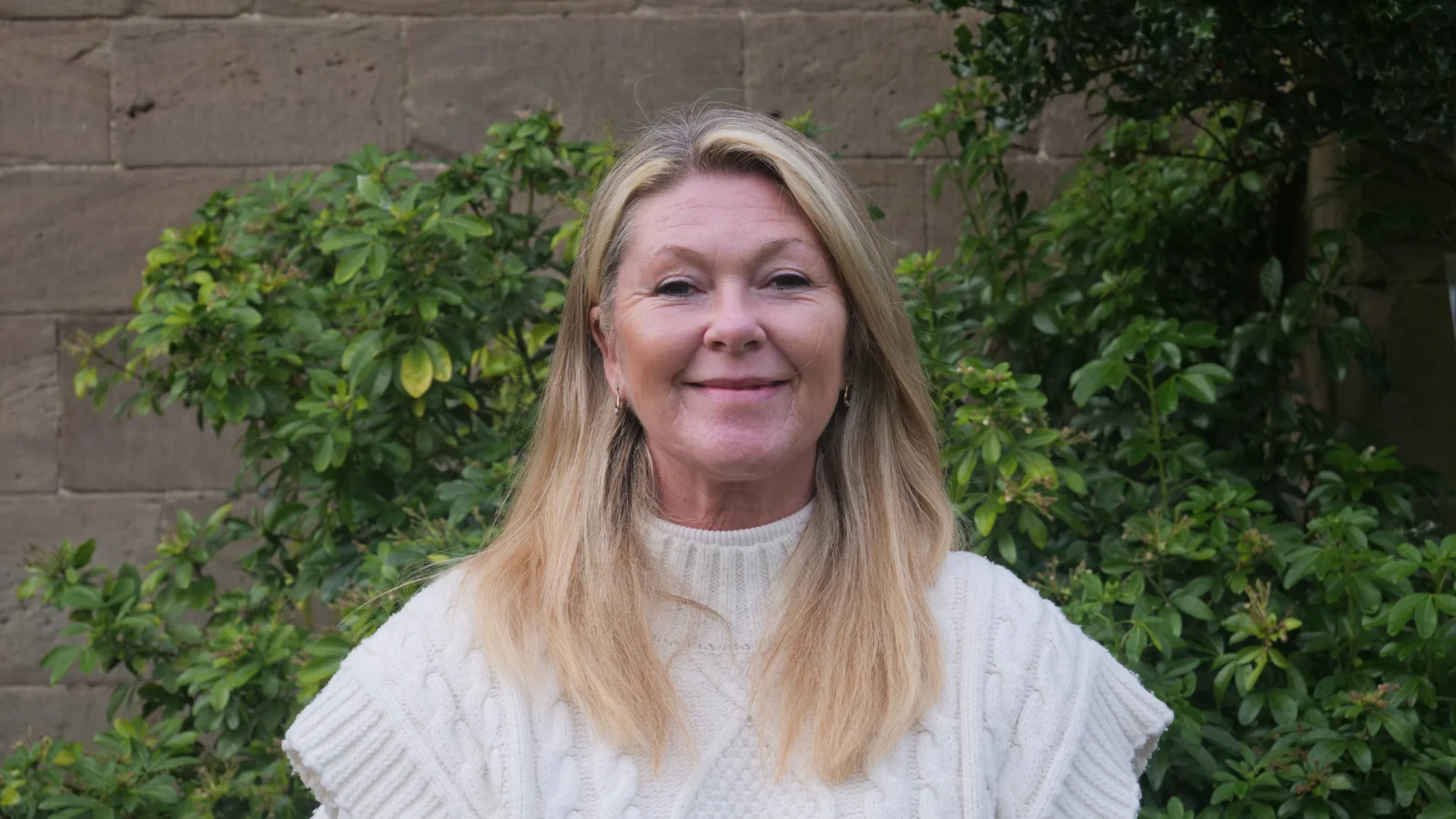
David Gifford is Interfaith Advisor for the diocese. This week, he reflects on the role of light in the rituals of several religions at this time of year
David Gifford is Interfaith Advisor for the diocese. This week, he reflects on the role of light in the rituals of several religions at this time of year, and wonders if we, as Christians, can re-engage with it.
Interfaith Week this year starts on Sunday 8th November and concludes one week later- although the dates are a bit ‘elastic’. This year the theme is, Lighting the way for a Shared Future.
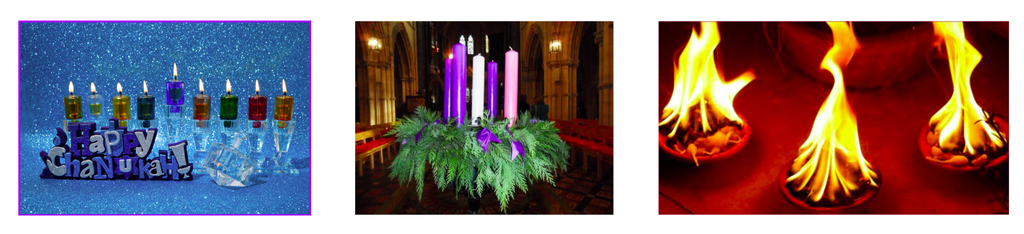
Light is a powerful theme in all Faiths. Hindus, Jains, Sikhs and some Buddhist communities will be celebrating Diwali during Interfaith Week. We may not see much evidence of their colourful celebration here but in other cities like Birmingham and Leicester there will be parades, music and dancing. Diwali, coming from the Sanskrit word Deepavali means ‘a row of lights.’ Light becomes central to all Diwali celebrations. Light dispels darkness bringing with it relief, hope and renewal.
In addition to the Dharmic symbolism of light is light’s symbolism in the Abrahamic Faiths of Judaism, Christianity and Islam. The Jews will soon be celebrating Hanukkah with lit Menorah (the seven branched candelabra). A number of us will celebrate with them next month in Ross when a large Menorah will be lit. As Christians we will soon welcome Advent with its symbolic Advent wreath and lighting a candle each Sunday in Advent-tide leading up to the birth of Jesus, the One we call, ‘the Light of the World.’ In Islam light – called nur in Arabic is symbolic of Divine presence. Indeed An-Nur is one of the 99 names of Allah.
We all then may recognise the joy, revelation and togetherness that light brings in our lives and in our Faiths. This Interfaith week, at a time of increased antisemitism, Islamophobia and rising intolerance of people and communities different from our own, maybe we as Christians need to re-engage with the ‘Light that has come into the world’ and see ‘the other’ as Jesus saw Samaritan, Roman – with understanding, compassion and love. I guess we might start this Interfaith Week.
Lisa Anderson is the Diocesan Safeguarding Officer. Here she talks about the diocese’s new safeguarding campaign, ‘Listening Well, Feeling Heard’, which puts victims and survivors at the centre of our safeguarding practice.
Revd Nick Gurney is Youth Pioneer Minister in our Bishop's Castle Youth Hub. here he celebrates the many gifts that make youth ministry possible in our diocese.
It's not just policy, it's personal: Nikki Roberts is the Assistant Safeguarding Trainer for the diocese; here she talks about…
Manage Consent
To provide the best experiences, we use technologies like cookies to store and/or access device information. Consenting to these technologies will allow us to process data such as browsing behavior or unique IDs on this site. Not consenting or withdrawing consent, may adversely affect certain features and functions.
Functional
Always active
The technical storage or access is strictly necessary for the legitimate purpose of enabling the use of a specific service explicitly requested by the subscriber or user, or for the sole purpose of carrying out the transmission of a communication over an electronic communications network.
Preferences
The technical storage or access is necessary for the legitimate purpose of storing preferences that are not requested by the subscriber or user.
Statistics
The technical storage or access that is used exclusively for statistical purposes.The technical storage or access that is used exclusively for anonymous statistical purposes. Without a subpoena, voluntary compliance on the part of your Internet Service Provider, or additional records from a third party, information stored or retrieved for this purpose alone cannot usually be used to identify you.
Marketing
The technical storage or access is required to create user profiles to send advertising, or to track the user on a website or across several websites for similar marketing purposes.