
Parish News – December 2026 – Printable Newsletter
A monthly publication for parish and village magazines. download, print, and insert it in your parish news magazine.

Hello everyone and welcome to this week’s video. I became a bishop in the Diocese of Chichester in 2014, just as some of the worst safeguarding failures in the Church…
Hello everyone and welcome to this week’s video.
I became a bishop in the Diocese of Chichester in 2014, just as some of the worst safeguarding failures in the Church of England were coming out. It was harrowing to hear the stories of the despicable behaviour and the long-term impacts on those who were abused. These and many other egregious failures, not just in the wickedness that was done but the failure to deal with them properly, has been a blight on the church ever since. The crimes of the past were horrendous. It was made worse by a culture of deference and desire to protect institutional reputation that prevented people feeling they could disclose their experiences, be listened to and heard. Mercifully, our practice in this area has changed out of all recognition since I was ordained in 1994.
Last Sunday many parishes will have observed Safeguarding Sunday. It’s an annual opportunity to reflect on our practice and the culture we create in our churches to ensure they are safe and welcoming spaces for everyone. But thinking about safeguarding isn’t something we do once a year. Overall, we are trying to do three things: Firstly, to acknowledge the pain of victims and survivors and do all we can to make redress and care. The Church Commissioners have set aside millions to that end. Secondly, we put in place processes and procedures to as best we can ensure that those intent on harm can’t be allowed to do so. Thirdly we are seeking to foster a culture in our churches where those who may have experienced abuse can be confident their stories will be heard, taken seriously and investigated thoroughly. I hope parishes might engage with our ‘Listening Well, Feeling Heard’ campaign. It emphasises the care and attention due to victims and survivors of abuse, and the simple steps we can take to keep their voices at the heart of our safeguarding practice. The campaign focuses on the training that enables us to listen well and respond appropriately, giving us all more confidence that safeguarding is ‘the way we do things around here’. We are also launching a collaborative craft project across the diocese, celebrating the safeguarding work being done in our parishes. Parish craft and activity groups are invited to contribute a square, ‘patch’ or panel for our Safeguarding Quilt. You can find further information on the campaign on the Safeguarding page of the diocesan website.
Inevitably, doing safeguarding better has meant a significant increase in our safeguarding capacity: to investigate cases, to deliver training, and to carry out the proper checks to ensure recruitment to roles is safe, both for lay and ordained roles. I have heard it said that this is a gross increase in administration. Recent much publicised reports complaining about the increase in central administration fail to take this into account. This is not just about process for process’ sake.
I have found safeguarding training of immense value. When I first started in ministry, I was ill equipped to understand the pathology of abuse and the mindset of abusers, how to respond to disclosures and the value of good practice. I firmly believe that the many changes made over the last few years are helping to foster a safer church where the prospect of rapid disclosure, if anything happens, acts as a significant deterrent to abusive behaviour. We owe it to the victims and survivors of abuse to be the best we can be. This is no more so, than in how we respond if people disclose experiences to us. Abuse is horrendous and traumatic for those who experience it, leaving lasting scars. Responding badly can compound the trauma, rather than foster healing. Good training, regularly refreshed, helps foster the culture we need.
In Matthew’s gospel, Jesus said, “let the little children come to me, and do not hinder them, for the kingdom of heaven belongs to such as these. Truly I tell you, anyone who will not receive the kingdom like a little child will never enter it.” Elsewhere Jesus says, “if anyone causes one of these little ones – those who believe in me – to stumble, it would be better for them to have a large millstone hung around their neck and drowned in the depths of the sea”. That is why we take safeguarding seriously. That is why we have the processes we have. That is why we continue to refine and educate, to make our church a safer place. This is gospel, not bureaucracy. –
– ENDS –
A monthly publication for parish and village magazines. download, print, and insert it in your parish news magazine.
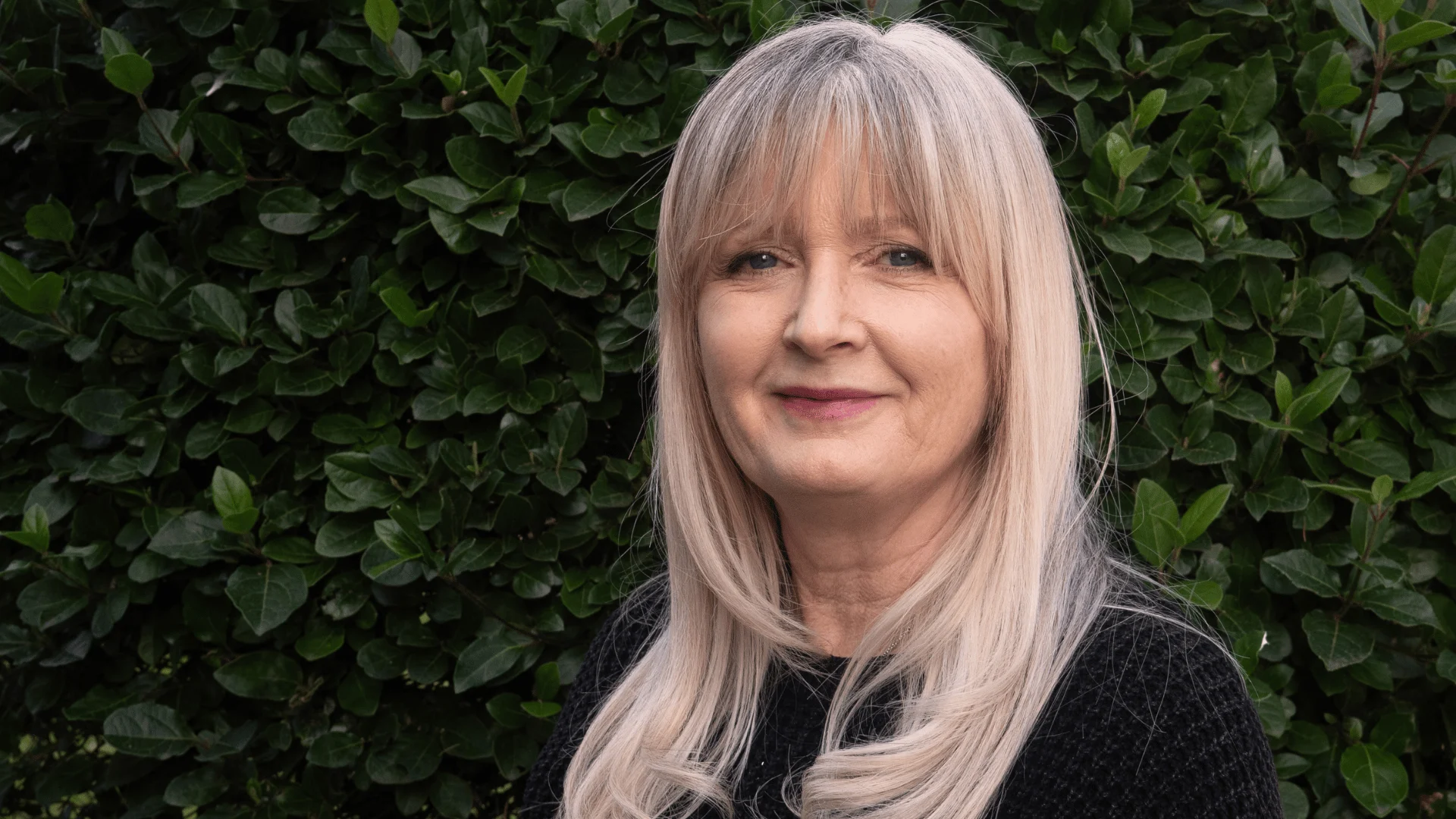
Lisa Anderson is the Diocesan Safeguarding Officer. Here she talks about the diocese’s new safeguarding campaign, ‘Listening Well, Feeling Heard’, which puts victims and survivors at the centre of our safeguarding practice.

In this week’s video, the Bishop reflects on remembrance, the lessons of history, and why Christians can face uncertain times with hope rooted in God’s faithfulness.
This week Bishop Richard reflects on the special qualities of small, rural parishes.
This week Bishop Richard reflects on the ups and downs of a busy life and the importance of seeing the bigger picture in the everyday.
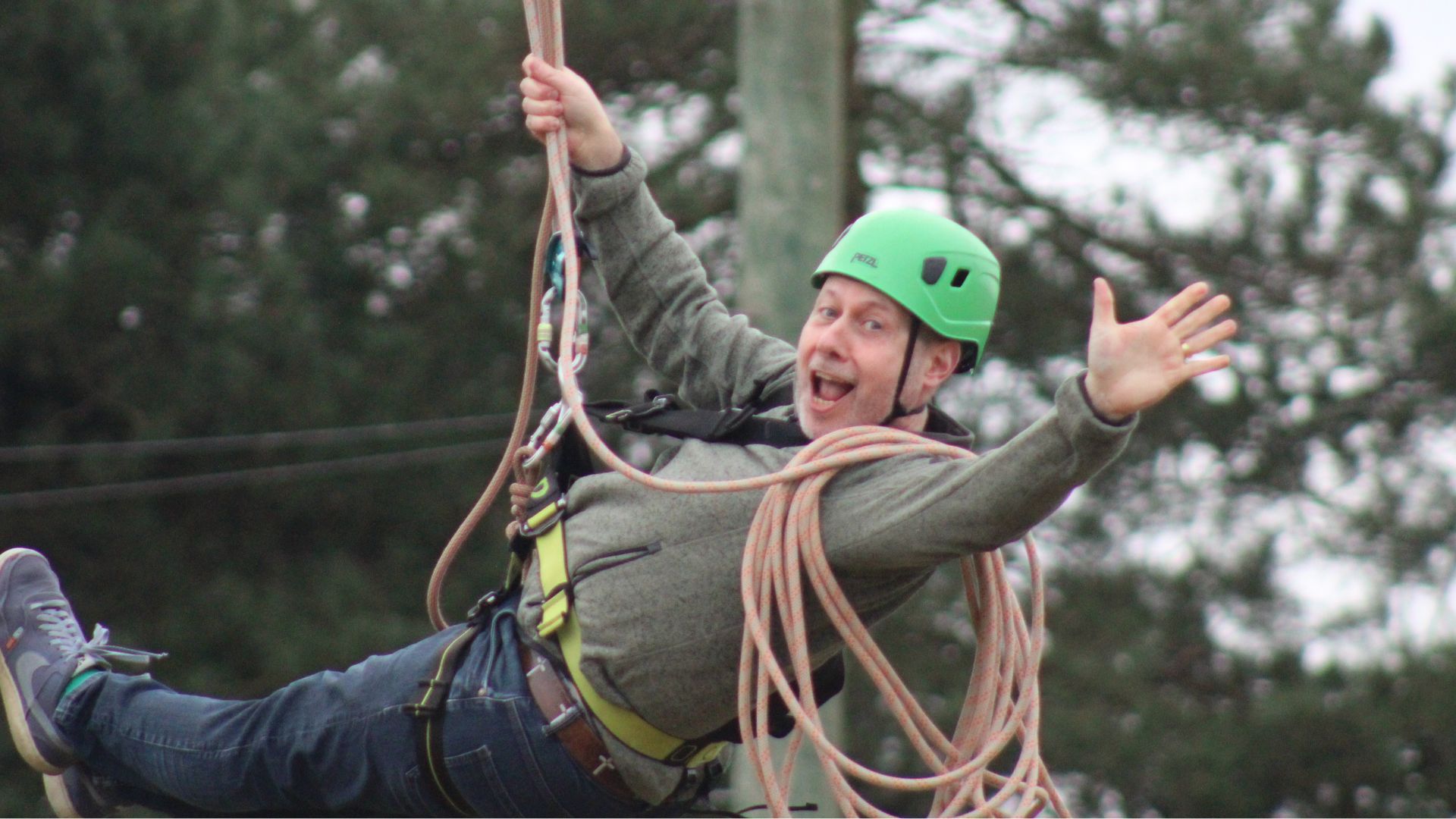
Revd Nick Gurney is Youth Pioneer Minister in our Bishop's Castle Youth Hub. here he celebrates the many gifts that make youth ministry possible in our diocese.
Two years ago, Stanford Bishop’s Church of St James was looking at a gloomy future, most likely involving closure. But all that has changed since it became a Festival Church.
In this week's video, the Bishop reflects on the financial and organisational challenges impacting the diocese and the Church more widely.
In this week’s video, the Bishop reflects on the Archbishop of Canterbury’s visit, celebrates the many ministries across the Diocese, and looks ahead to a season of renewal as we build on the legacy of our 1350th anniversary year.
In this week’s video from Tanzania, the Bishop reflects on what we can learn from the joy, faith and hope of the growing Church there.