Raising up the saints! Is it a time of reformation?
The Revd Laura Hewitt is Rector of StowCaple Benefice and a Rural Church Missioner for the diocese.

A Long View: 1,350 Years Behind Us, 1,350 Years Ahead by Ian Hill, Net Zero Project Manager This year, as we celebrate 1,350 years of Christian witness in this diocese,…
A Long View: 1,350 Years Behind Us, 1,350 Years Ahead by Ian Hill, Net Zero Project Manager
This year, as we celebrate 1,350 years of Christian witness in this diocese, we look forward with hope. Across those centuries, our churches have stood as places of prayer, welcome, and service, symbols of God’s presence with us. Today, they are also called to be beacons of care for God’s creation.
The environmental challenges we face can seem immense, and for Churchwardens who are already juggling buildings, people, rotas, repairs, churchyards, and countless hidden responsibilities, the thought of adding “Net Zero” to the list may feel overwhelming. But caring for creation is not a new task laid upon us; it is part of our discipleship. It sits within our calling to love our neighbours, steward our resources, and leave our places better than we found them.
Standing in a 12th-century doorway or reading the names in a centuries-old register reminds us that the Church has always adapted. Generations before us have responded to the needs of their day; famine, plague, war, and agricultural change, whilst always seeking to honour God with what they had.
Today, environmental stewardship is our generation’s equivalent challenge. We cannot do everything at once, but we can take wise, faithful steps that future generations will thank us for. The choices we make now will shape the Church they inherit.
What Does Sustainability Mean for a Parish Church?
Sustainability is often misunderstood as a technical exercise, but at its heart it’s simple: use less, waste less, care more. Every church, from the smallest rural chapel to the busiest town parish, can contribute to this.
Sometimes the most significant steps are also the most ordinary:
• Understanding our building – knowing where heat escapes, where energy is wasted, and how the building behaves through the seasons.
• Using our buildings thoughtfully – heating only what we need and only when we need it.
• Looking after our churchyards – letting wildflowers breathe, planting for pollinators, and nurturing habitats that speak of resurrection and renewal.
• Valuing partnerships – drawing on skills within our congregations and communities, and working with local groups passionate about creation care.
None of these require large budgets or technical expertise. They simply require a willingness to begin.
You Are Not Doing This Alone
No Churchwarden is expected to become an environmental engineer. Your leadership is not about doing everything, but about helping a community move together. The Diocese’s Net Zero team is here to support you by offering practical advice, site visits, training, and help with grant pathways. Many of our churches have already made small changes that add up to real improvement: LED lighting, draft proofing, better controls, and green electricity tariffs. Others are exploring heat pumps, solar panels, and innovative approaches to using their buildings better. Every parish’s path will be different, but none are walking it alone.
A Beacon to the Communities We Serve
Our churches have always been signs of hope. By caring for creation, we show our neighbours that the Church’s ancient calling still speaks powerfully today. When we tend our buildings, churchyards, and energy use with love, we say something about the God who entrusted this world to our care.
As we celebrate 1,350 years, may we honour those who came before us by taking faithful steps that bless those who will come after.
– ENDS –
The Revd Laura Hewitt is Rector of StowCaple Benefice and a Rural Church Missioner for the diocese.
David Gifford is Interfaith Advisor for the diocese. This week, he reflects on the role of light in the rituals of several religions at this time of year

This week Bishop Richard reflects on the ups and downs of a busy life and the importance of seeing the bigger picture in the everyday.

Revd Nick Gurney is Youth Pioneer Minister in our Bishop's Castle Youth Hub. here he celebrates the many gifts that make youth ministry possible in our diocese.
Two years ago, Stanford Bishop’s Church of St James was looking at a gloomy future, most likely involving closure. But all that has changed since it became a Festival Church.

Revd Simon Lockett is Vicar of the benefice of Madley with Tyberton, Peterchurch, Vowchurch and Turnastone, in Herefordshire's Golden Valley.…
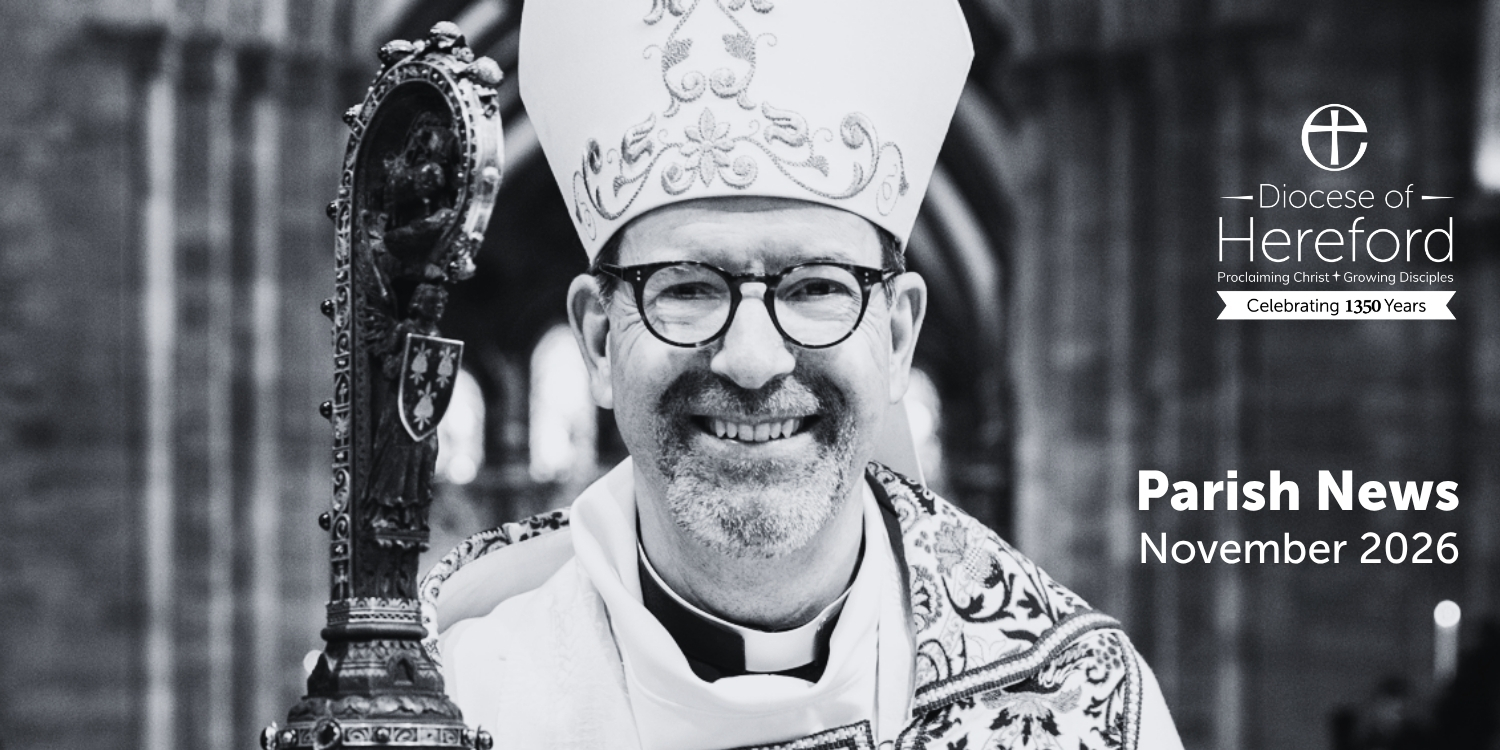
A monthly publication for parish and village magazines. You can download the PDF here or download a Word version here,…
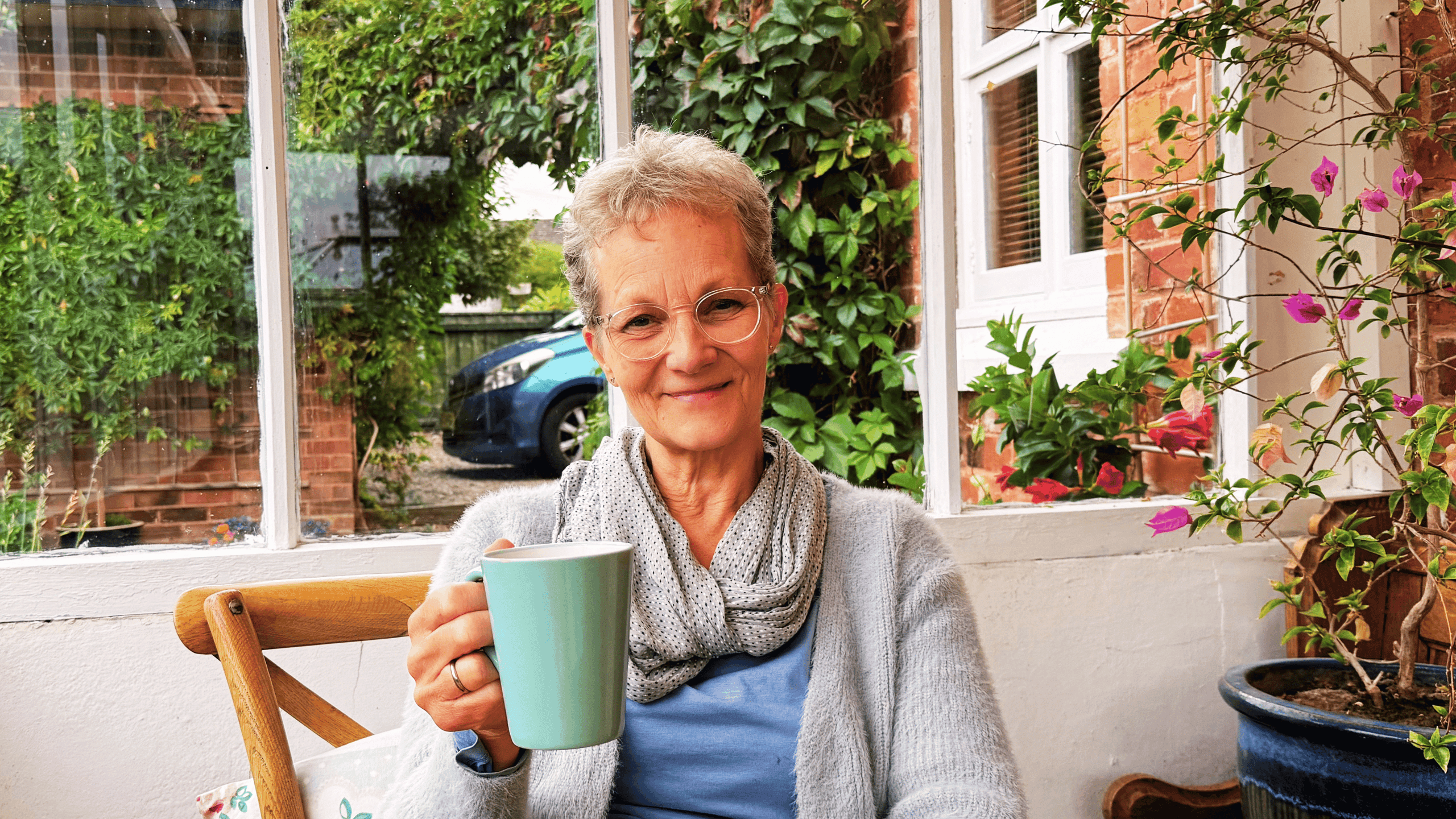
Joining in with God: In this occasional series for our blog, we hear from people from around the diocese who…

Rev Matthew Stafford is Team Rector of the Wenlock Team Ministry. On Saturday, 19th September 2026 he will be leading…

Revd Kina Robertshaw is the Rector of the Highley with Billingsley, Glazeley, and Deuxhill and Chelmarsh Benefice. She writes here…