Well, it is Lent for us but for Muslims it’s Ramadan by Rev’d David Gifford
Well, it is Lent for us….but for Muslims in our diocese it's Ramadan Rev'd David Gifford is Interfaith Advisor for the diocese; here he explains some of the traditions of…
Well, it is Lent for us….but for Muslims in our diocese it’s Ramadan
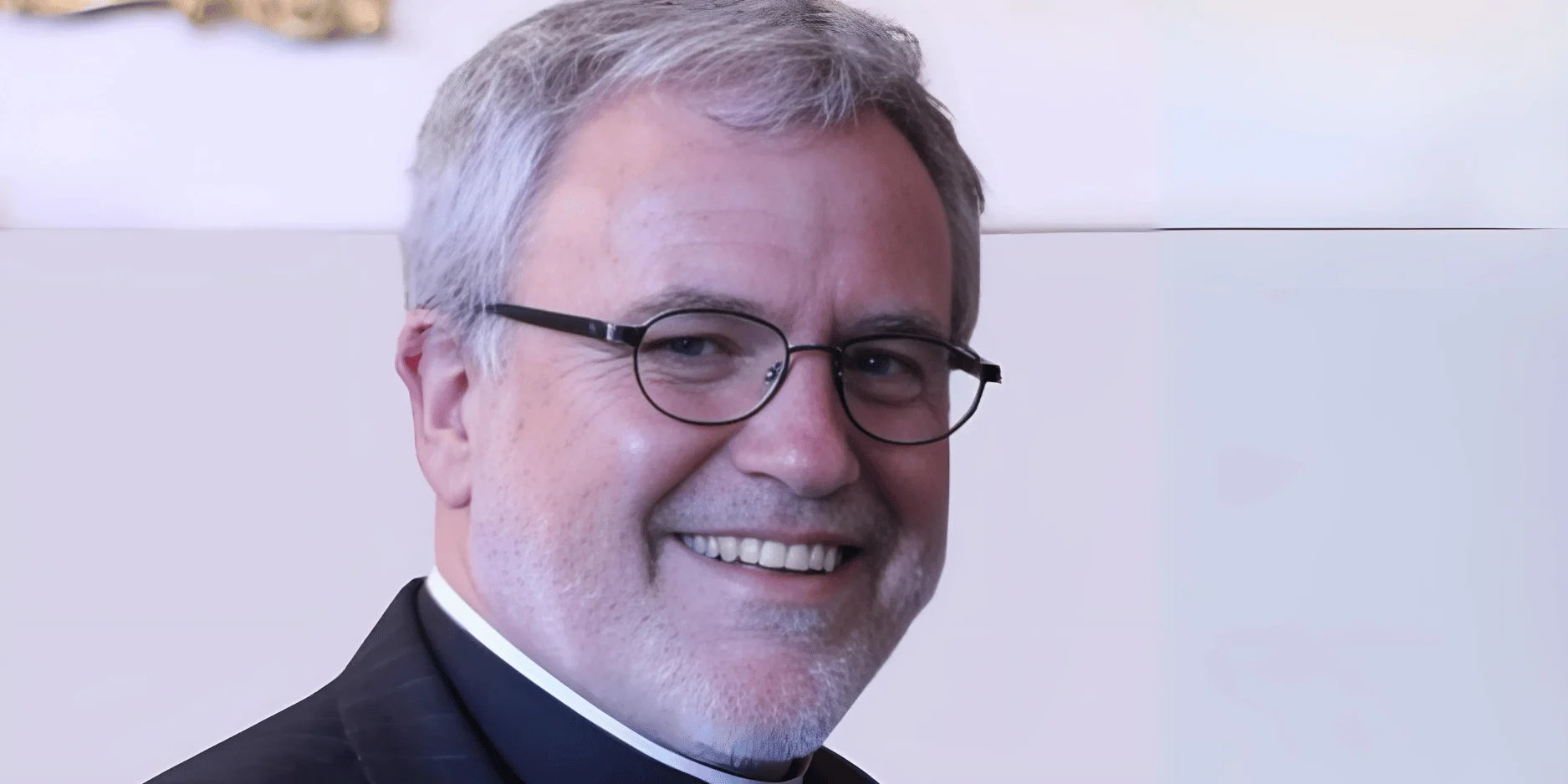
Rev’d David Gifford is Interfaith Advisor for the diocese; here he explains some of the traditions of Ramadan, practised by the second-largest faith group in our diocese.
Around the world observant Christians will be making preparation for Lent, starting with Shrove Tuesday and then Ash Wednesday. Food . . . then penance and discipline. (Hmm!! most Christians, I imagine are a tad reluctant to take on the penance and discipline bit! But pancake day? Well that’s a different matter!). It’s funny though how these come together.
But Lent is supposed to be a period of preparation for Holy Week and Easter; a period of holiness. The traditional greeting of the priest at the First Communion of Lent or after the “ash-ing” liturgy on Ash Wednesday is “I wish you a Holy Lent.”
But holiness at this time is also observed by our Muslim Neighbours; (Muslims make up the largest faith group in our diocese after Christianity). It is the Holy season of Ramadan, the ninth month in the Islamic lunar calendar. It began on February 28th and will end March 30th. It is truly a season of discipline from which Christians can learn much. From dawn to dusk the Muslim will fast from food and drink. The very old and children, the sick and pregnant women are excluded this discipline of course.
This means that the family members observing the fast will arise before dawn to have a large breakfast to see them through the day. When sundown happens then the fast will be broken and this is called the Iftar. People are ready to eat and drink – either at home or together in the mosque. Remember there will be no alcohol, for that is forbidden in Islam. The foods that are eaten will be dates, fruit, soup and rice dishes and maybe some lean meat.
Ramadan is a holy season for our Muslim friends and neighbours and that means reading and hearing the whole of the Holy Qu’ran throughout the month at the mosque – but some families will read it at home as well. Zakat will also be important – all Muslims are expected to do this; it is one of the 5 pillars of Islam and it means doing acts of charity. Many Muslims will go daily to their mosque day for prayers and to hear the Holy Qu’ran read by their Imam.
The end of Ramadan, is marked by a joyous and special festival called Eid al-Fitr, which means “the festival of the breaking of the fast”, when the mosques will be full as people attend for Eid prayers.
So let us remember this holy season of Lent it is also a holy season for Muslims in our diocese. Do greet them saying, “Ramadan Mubarak” or say in English “May Allah shed light on your journey and strengthen your faith this holy month.”
Remember too your Muslim neighbours in your church intercessions through March.
Lisa Anderson is the Diocesan Safeguarding Officer. Here she talks about the diocese’s new safeguarding campaign, ‘Listening Well, Feeling Heard’, which puts victims and survivors at the centre of our safeguarding practice.
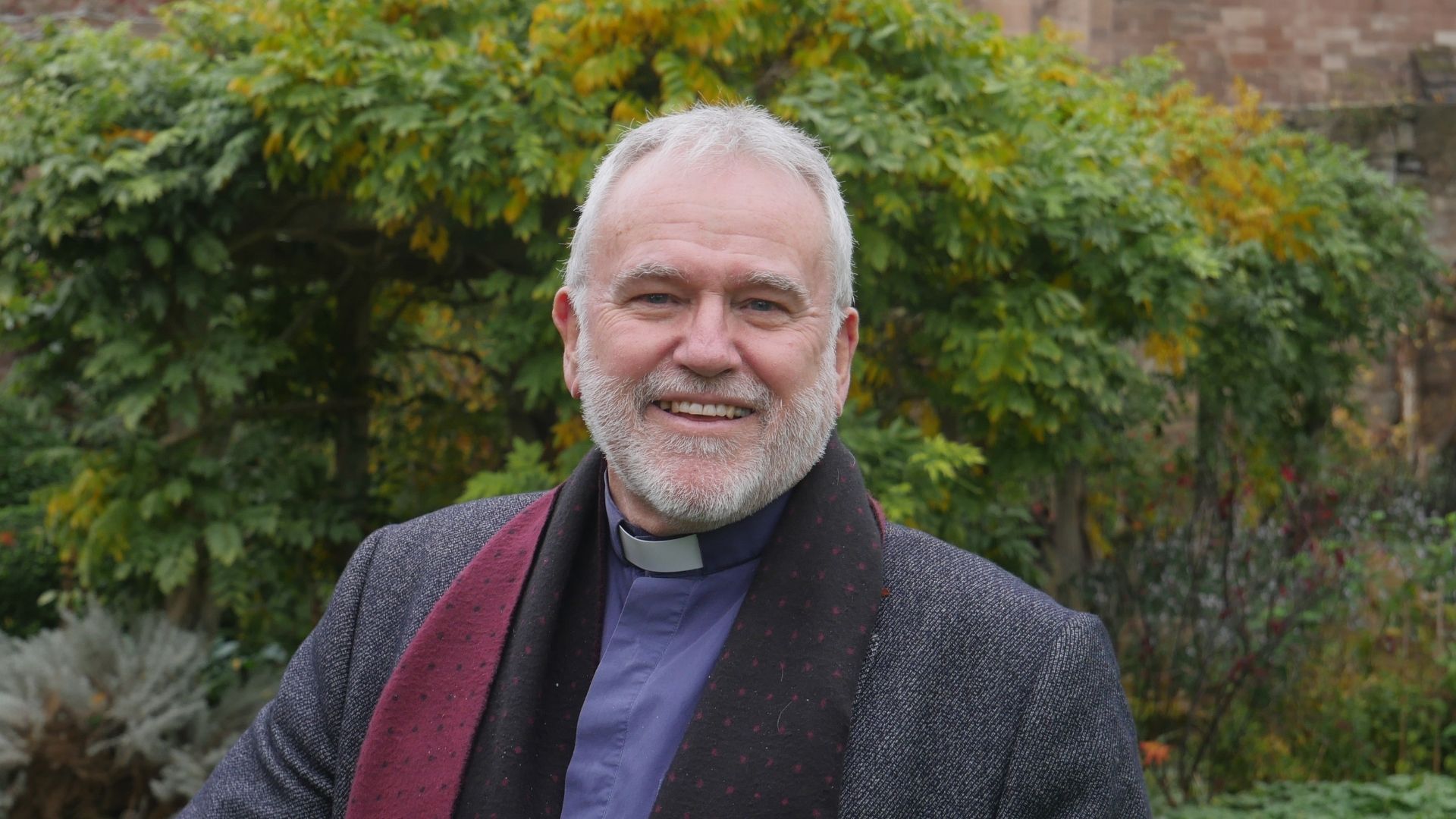
David Gifford is Interfaith Advisor for the diocese. This week, he reflects on the role of light in the rituals of several religions at this time of year
Revd Nick Gurney is Youth Pioneer Minister in our Bishop's Castle Youth Hub. here he celebrates the many gifts that make youth ministry possible in our diocese.
Two years ago, Stanford Bishop’s Church of St James was looking at a gloomy future, most likely involving closure. But all that has changed since it became a Festival Church.
Rev Matthew Stafford is Team Rector of the Wenlock Team Ministry. On Saturday, 19th September 2026 he will be leading…
Manage Consent
To provide the best experiences, we use technologies like cookies to store and/or access device information. Consenting to these technologies will allow us to process data such as browsing behavior or unique IDs on this site. Not consenting or withdrawing consent, may adversely affect certain features and functions.
Functional
Always active
The technical storage or access is strictly necessary for the legitimate purpose of enabling the use of a specific service explicitly requested by the subscriber or user, or for the sole purpose of carrying out the transmission of a communication over an electronic communications network.
Preferences
The technical storage or access is necessary for the legitimate purpose of storing preferences that are not requested by the subscriber or user.
Statistics
The technical storage or access that is used exclusively for statistical purposes.The technical storage or access that is used exclusively for anonymous statistical purposes. Without a subpoena, voluntary compliance on the part of your Internet Service Provider, or additional records from a third party, information stored or retrieved for this purpose alone cannot usually be used to identify you.
Marketing
The technical storage or access is required to create user profiles to send advertising, or to track the user on a website or across several websites for similar marketing purposes.