This autumn clergy and lay members will have the opportunity to be elected to General Synod, people across the Diocese of Hereford are invited to consider standing. General Synod is…
This autumn clergy and lay members will have the opportunity to be elected to General Synod, people across the Diocese of Hereford are invited to consider standing.
General Synod is the national assembly of the Church of England. It helps shape the life of the Church by making decisions that affect parishes, chaplaincies, schools, and communities across the country. It agrees new forms of worship, considers matters of national and international importance, approves Church legislation, and agrees the annual budget for national Church work.
Those elected in 2026 will serve for five years until 2031. General Synod includes bishops, clergy, and lay people.
We are keen to encourage candidates who reflect the full breadth of people, places, and churches across diocese and the wider Church of England. We particularly welcome interest from people whose voices and experiences may currently be underrepresented.
New members are supported through an induction programme, so you do not need to know everything about General Synod before standing. Serving on General Synod is a meaningful way to contribute to the governance, vision, and future direction of the Church of England. If you feel called to take part, we warmly encourage you to explore the process and consider standing. If you would like further information, please email our governance officer
You can learn more about the detailed timetable for each house elections by reading these two documents and find out who our current elected general synod representatives are for the current triennium, ending July 2026.
You may be eligible to stand for election to the House of Laity even if you are not eligible to vote in the House of Laity elections.
To stand for election to the House of Laity of the General Synod, a person must:
Have received Holy Communion in accordance with the practice of the Church of England, or a Church in communion with it, at least three times in the twelve months preceding the date of the dissolution of the General Synod.
Be confirmed (or ready and willing to be confirmed), or be a communicant member of a Church that subscribes to the doctrine of the Holy Trinity.
Be 18 years of age or older on the date of the dissolution of the General Synod (expected July 2026).
In addition, the person’s name must either:
Be on the electoral roll of a parish within the Diocese, or
Be on the community roll of the Cathedral Church of the Diocese.
House of Clergy
To be eligible to stand for election to the House of Clergy in the Diocese or other electoral area, a person must:
Have been ordained as a priest or deacon;
Not be in episcopal orders; and
Fall into one of the following categories:
A qualified elector in the Diocese or other electoral area; or
A person who has written permission from the Bishop to officiate in the Diocese and who would be a qualified elector if they were:
a member of a deanery synod in the Diocese or other electoral area; or
in the Diocese in Europe, a member of a deanery or archdeaconry synod; or
in the Diocese of Sodor and Man, a member of the Diocesan Synod.
A person may stand for election if they are normally a qualified elector in the universities and TEIs constituency, provided that:
They choose to stand in the Diocese or electoral area instead of the universities and TEIs constituency
If they decide to stand in the Diocese/area rather than in the universities and TEIs constituency, they must inform both:
the Presiding Officer for the Diocese, and
the Presiding Officer for the universities and TEIs constituency
They are beneficed in, or licensed to, a parish in the Diocese or other electoral area
They are licensed to serve as a vicar in a team ministry in a benefice in the Diocese or other electoral area
They would otherwise be eligible to vote in the Diocese or electoral area (they meet all the usual requirements to be an elector in that Diocese except that they are currently registered as an elector in the universities and TEIs constituency).
The National Society for Education is hosting an evening for young adults interested in participating in General Synod. The sessions are free to sign up to and will take place over Zoom.
The nomination and election process will be managed by Civica, an external election platform used for General Elections in the UK.
Electors will be invited to submit written questions for candidates between 14 August 2026 and 9 September 2026 (5pm).
Candidates will then be invited to provide written answers to these questions. All responses will be published online and circulated to the electorate by email on 17 September 2026.
All candidates for general synod will be invited to submit an election address, which will be made available to electors through the elections portal.
Election addresses submitted by the deadline of Monday 7 September will be published on our website. Addresses received after the deadline may be uploaded at the discretion of the Presiding Officer.
The timetable and deadlines for Deanery Synod elections are governed by the Church Representation Rules, whereas the timetable and deadlines for General Synod elections are set nationally and outlined in General Synod Elections 2026: Notes for the Guidance of Dioceses.
The Deanery Synod House of Laity forms the electorate for the General Synod House of Laity. It is therefore essential that both election timetables are followed precisely to ensure all eligible electors are properly included and able to vote.
Key Dates for 2026
To ensure each qualified elector is eligible to vote in the General Synod elections, please note the following essential deadlines:
By 31 May 2026
APCMs must be held.
Deanery Synod Lay Representatives are elected.
By 1 July 2026
Parishes must send details of Deanery Synod Representatives to Deanery Synod Lay Chair and Sarah Hedley
14 July 2026
The Diocesan Electoral Registration Officer provides each Deanery Lay Secretary with the list of electors.
By 20 July 2026
Deanery Lay Secretaries confirm or amend elector details.
27 July 2026
Final elector lists submitted to the Presiding Officer, no amendments can be made after this date.
14 July 2026
General Synod election process formally begins.
14 August 2026
Nominations open for voting.
7 September 2026
Nominations close.
21 September 2026
Voting for candidates opens via Civica portal
12 – 13 October 2026
Voting closes on Civica and counting the results begins.
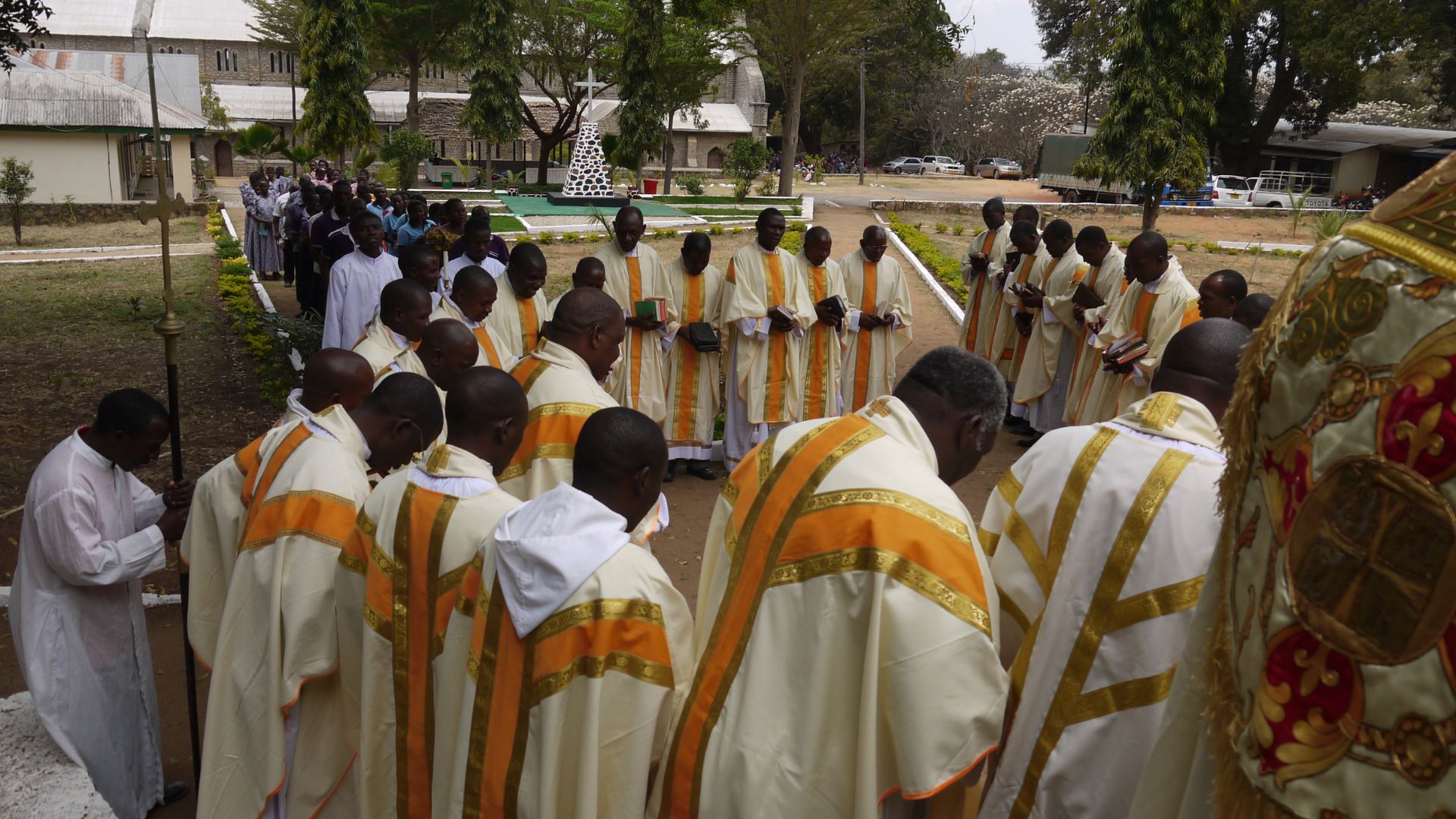
In this week’s video, the Bishop reflects on the Archbishop of Canterbury’s visit, celebrates the many ministries across the Diocese, and looks ahead to a season of renewal as we build on the legacy of our 1350th anniversary year.
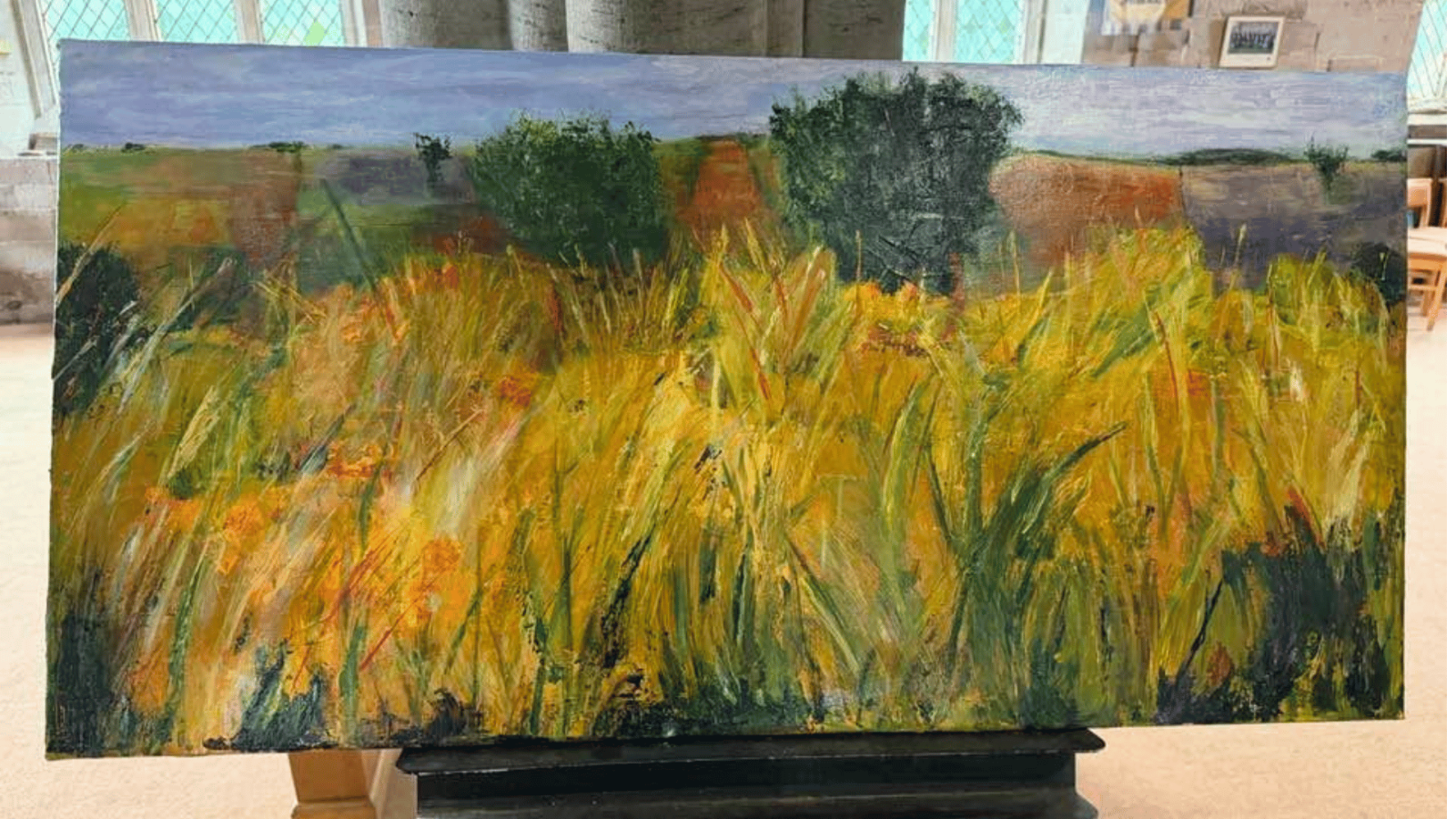
An exhibition in Madley which engaged Herefordshire Arts College students in an exploration of spirituality, created in partnership with local Vicar,…
Manage Consent
To provide the best experiences, we use technologies like cookies to store and/or access device information. Consenting to these technologies will allow us to process data such as browsing behavior or unique IDs on this site. Not consenting or withdrawing consent, may adversely affect certain features and functions.
Functional
Always active
The technical storage or access is strictly necessary for the legitimate purpose of enabling the use of a specific service explicitly requested by the subscriber or user, or for the sole purpose of carrying out the transmission of a communication over an electronic communications network.
Preferences
The technical storage or access is necessary for the legitimate purpose of storing preferences that are not requested by the subscriber or user.
Statistics
The technical storage or access that is used exclusively for statistical purposes.The technical storage or access that is used exclusively for anonymous statistical purposes. Without a subpoena, voluntary compliance on the part of your Internet Service Provider, or additional records from a third party, information stored or retrieved for this purpose alone cannot usually be used to identify you.
Marketing
The technical storage or access is required to create user profiles to send advertising, or to track the user on a website or across several websites for similar marketing purposes.