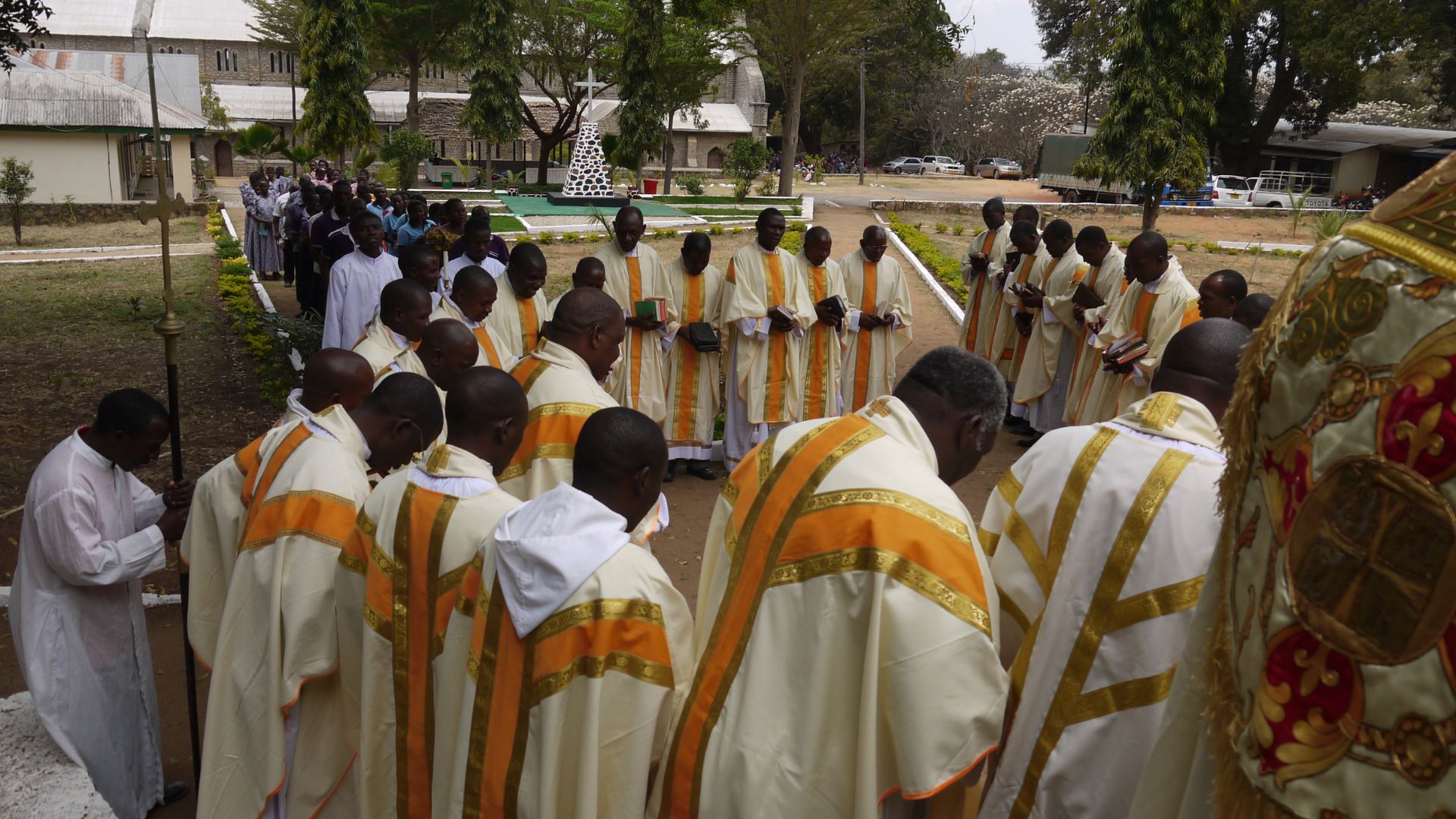
Hereford delegation to join Masasi centenary celebrations
Bishop Richard will lead a small group of colleagues and church leaders from our Diocese on a missional visit to…

Evergreen Immortals: Yew tree Folklore
Evergreen Immortals: Yew tree Folklore
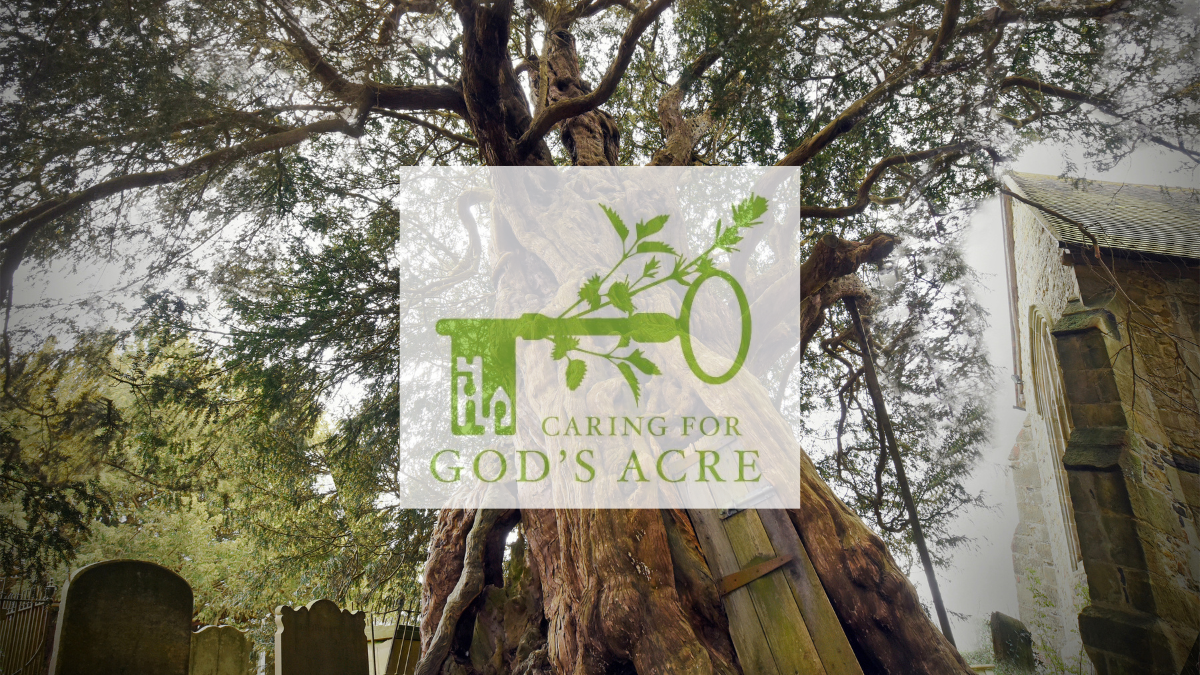
In St George’s Churchyard in Clun, Shropshire, stands a marvelous sight to behold. Estimated to be around 2,000 years old, lives a majestic ancient Yew tree. As the oldest tree in Shropshire, this beautiful specimen has likely bore witness to rich history. It has stood tall, guarding the churchyard since medieval times. If it could speak, it would surely have some stories to tell.
There are many Yews across the UK standing strong in churchyards and burial grounds, each with their own unique stories and heritage. The English Yew, Taxus baccata, is an evergreen tree that is commonly found in and associated with churchyards. Some are hundreds and even thousands of years old. Many of these Ancient Yews likely predate the churchyards they are found in, and have strong ties to Pagan, Celtic and Druidic traditions.
Yews are steeped in rich and sometimes dark folklore. They are known as the “tree of the dead” for several reasons. It is thought that these trees were planted in sacred places to watch over the dead and guide their passage to the other side. The species is known for its longevity and habit of rooting from drooping branches that touch the ground, further cementing its lore of being a tree of death and rebirth. All parts of the tree are toxic to humans, and even feature in Shakespeare’s Scottish play, where a poisonous concoction featuring Yew berries is made.
The Kingley Vale Yews have a spooky local history. Legends say there was a great battle between local people and invading Vikings and when the local soldiers fell, their bodies were buried in the forests where the Yew trees now stand. The forests are supposedly haunted by the soldiers, who possess the Yews and come alive at night. We can’t forget to mention the Bleeding Yews of Nevern Church in Pembrokeshire. These Yews appear to be continuously bleeding red sap from their trunks. Many legends and myths have arisen to explain this phenomenon, but one endearing explanation is that they bleed in sympathy with Jesus and his crucifixion. Nevertheless, Yews all over the UK will likely live on for hundreds more years, passing down their stories, legends and history forevermore.
If you find yourself with one of these majestic trees in your churchyard, here are a few things you can do to help them out. Most Yews don’t need much management and generally like to be left alone. However, clearing anything over their root plate and underneath the trees as well as any ivy growing up the trunk will give them the best conditions to thrive. Get thinking about how you can involve your local communities with our Love Your Yew Week in Feb 2027. To find out more, follow the link to our website to read why Yews are so important to churchyards and how you can help them today.
Kaitlyn Elverson
Engagement Officer, Nature in Sacred Places Project (NiSP)
www.caringforgodsacre.org.uk – individuals and groups in the diocese receive 20% members discount on all CfGA materials. Use the discount code diomem22
Bishop Richard will lead a small group of colleagues and church leaders from our Diocese on a missional visit to…

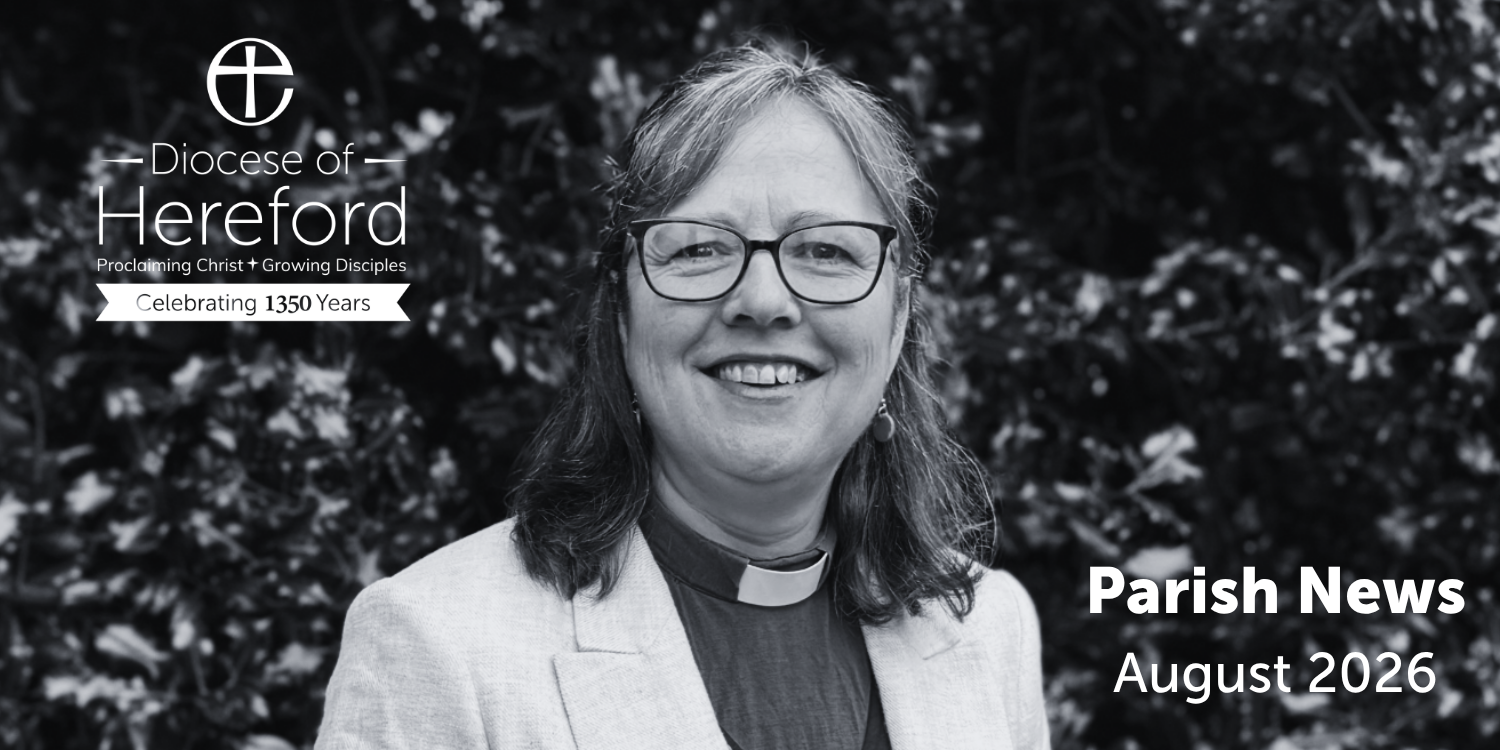
A monthly publication for parish and village magazines. You can download the PDF here or download a Word version here,…

On being yourself I remember my first day of school in September 1969. "Just be yourself!” exhorted my grandpa -…

NightWatch As the sun sets over our churchyards and burial grounds, a whole other world comes alive. Using some nifty…

A three-year programme will bring churches and schools together to help young people lead intergenerational worship in five school communities…
A monthly publication for parish and village magazines. You can download the PDF here or download a Word version here,…
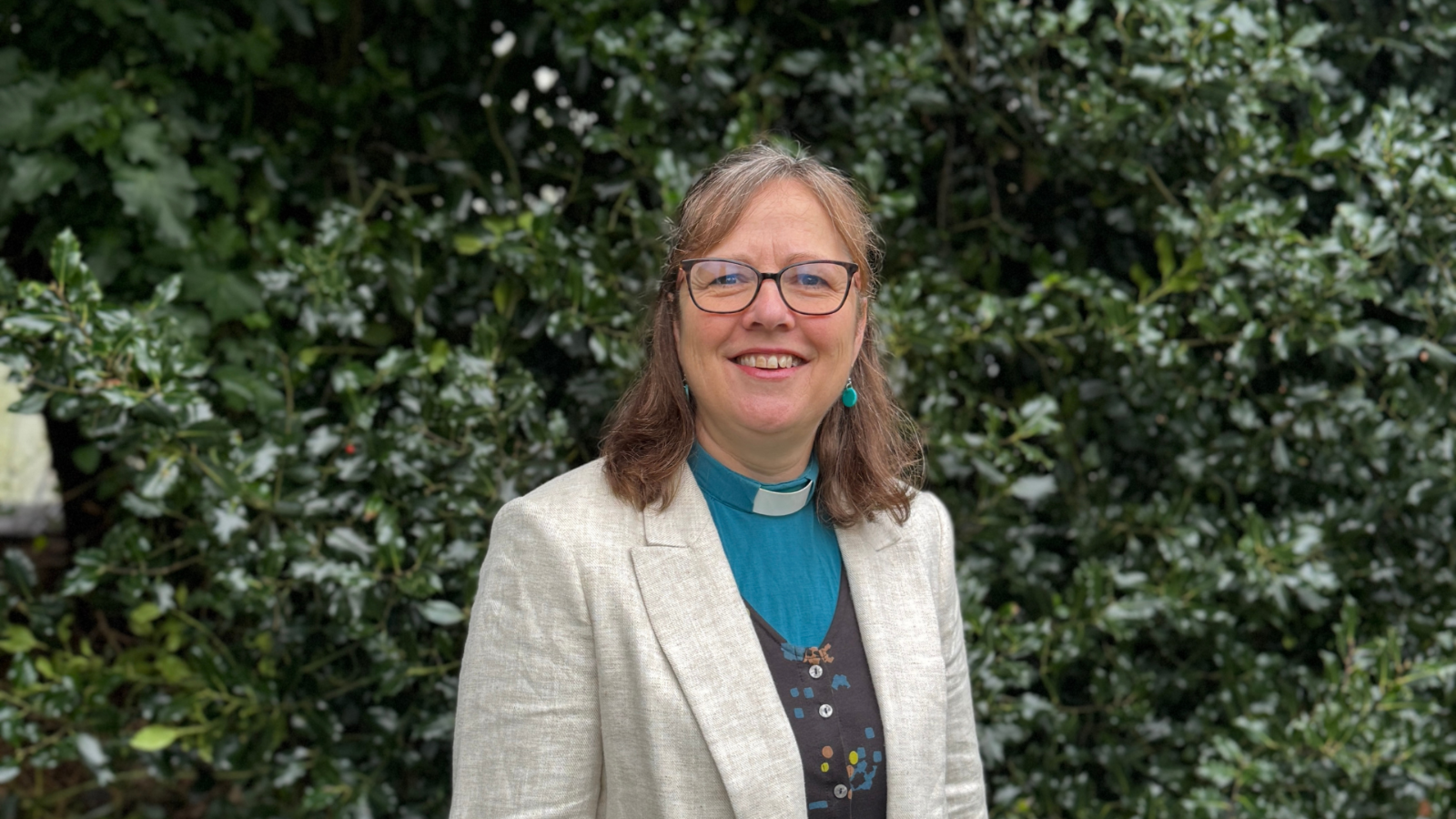
Journeys I wonder how many journeys you have planned in your lifetime: the daily trips and the longer adventures; the…

Just another butterfly on the Wall As August rolls in, you might start to see some new wings fluttering in…
This autumn clergy and lay members will have the opportunity to be elected to General Synod, people across the Diocese…
The Diocese of Hereford which is the Church of England in Herefordshire and South Shropshire is today issuing a formal…